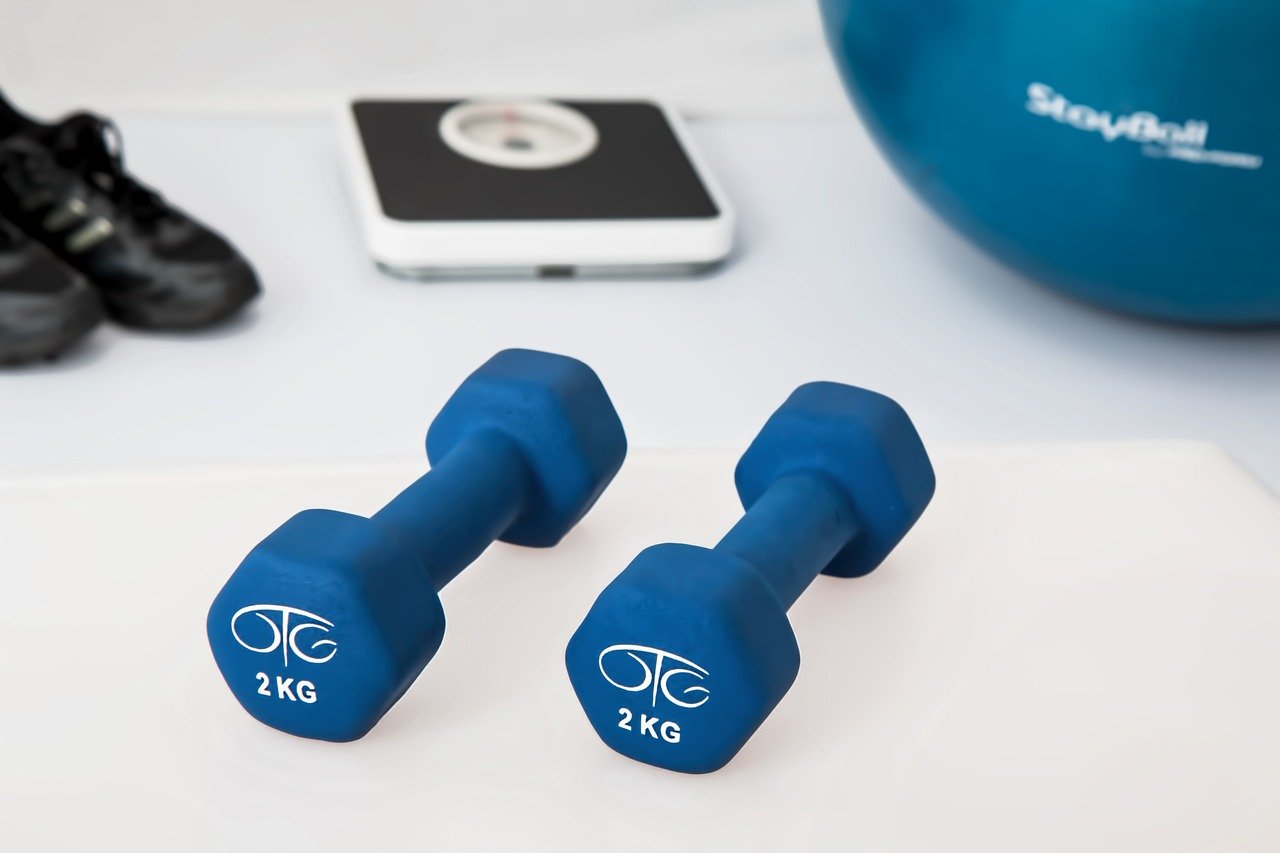
Juggling work, family, and social life can make it feel impossible to squeeze in a trip to the gym. But what if you could achieve your fitness goals without ever leaving the house? A well-structured home fitness program offers a convenient and effective way to improve your health and well-being. This guide will provide you with the knowledge and tools to create a personalized home workout routine that fits your lifestyle and helps you achieve your desired results.
Understanding the Benefits of a Home Fitness Program
Convenience and Flexibility
One of the biggest advantages of a home fitness program is its unparalleled convenience. You can exercise whenever and wherever you want, without being restricted by gym hours or travel time.
- Time-saving: No commute means more time for your workout.
- Flexible schedule: Work out early in the morning, late at night, or during your lunch break.
- Comfort: Exercise in the privacy and comfort of your own home.
Cost-Effectiveness
Home workouts can be significantly more budget-friendly than gym memberships or expensive fitness classes. You can start with minimal equipment and gradually add more as needed.
- No membership fees: Save money by avoiding monthly gym dues.
- Affordable equipment: Start with bodyweight exercises and inexpensive items like resistance bands or dumbbells.
- Free online resources: Access a wealth of free workout videos and tutorials on platforms like YouTube.
Personalized Workout Experience
A home fitness program allows you to tailor your workouts to your specific needs, goals, and preferences. You can choose exercises you enjoy, adjust the intensity to match your fitness level, and focus on areas you want to improve.
- Customized routines: Design workouts that target your specific fitness goals.
- Adaptable intensity: Adjust the difficulty of exercises to match your current fitness level.
- Focus on problem areas: Target specific muscle groups or areas you want to improve.
Setting Up Your Home Workout Space
Choosing the Right Location
Designating a specific area in your home for your workouts can help you stay motivated and focused. Choose a space that is well-lit, well-ventilated, and free from distractions.
- Clearance: Ensure you have enough space to move freely without bumping into furniture.
- Flooring: Consider using a yoga mat or other non-slip surface to protect your joints and flooring.
- Ventilation: Open a window or use a fan to keep the air circulating.
Example: A spare bedroom, a corner of your living room, or even your garage can be transformed into a functional home gym.
Essential Equipment
You don’t need a lot of expensive equipment to create an effective home workout program. Start with the basics and gradually add more as needed.
- Yoga Mat: Provides cushioning and grip for floor exercises.
- Resistance Bands: Versatile and affordable for strength training.
- Dumbbells: Great for building strength and muscle mass.
- Jump Rope: An excellent cardio workout.
Tip: Look for used equipment online or at local thrift stores to save money.
Creating a Motivational Environment
Your workout space should be a place that inspires you to exercise. Decorate it with motivational posters, play upbeat music, or add plants to create a positive atmosphere.
- Motivational Posters: Display images or quotes that inspire you to reach your goals.
- Upbeat Music: Create a playlist of your favorite workout songs.
- Good Lighting: Ensure your workout space is well-lit to improve your mood and energy levels.
Designing Your Home Fitness Routine
Setting Realistic Goals
Before you start working out, it’s important to set realistic and achievable goals. This will help you stay motivated and track your progress.
- Specific: Define exactly what you want to achieve (e.g., lose 10 pounds, run a 5k).
- Measurable: Track your progress to see how far you’ve come (e.g., weight loss, reps completed).
- Achievable: Set goals that are challenging but realistic based on your current fitness level.
- Relevant: Choose goals that align with your overall fitness aspirations.
- Time-bound: Set a deadline for achieving your goals.
Choosing the Right Exercises
Your home fitness routine should include a variety of exercises that target different muscle groups. Focus on compound exercises that work multiple muscles at once for maximum efficiency.
- Cardio: Running, jumping jacks, burpees, high knees.
- Strength Training: Squats, lunges, push-ups, planks, dumbbell rows.
- Flexibility: Stretching, yoga, Pilates.
Example Workout Routine (3 times per week):
- Warm-up (5 minutes): Jumping jacks, arm circles, leg swings
- Squats (3 sets of 10-12 reps)
- Push-ups (3 sets of as many reps as possible)
- Lunges (3 sets of 10-12 reps per leg)
- Plank (3 sets of 30-60 seconds)
- Cool-down (5 minutes): Stretching
Incorporating Variety and Progression
To prevent boredom and plateaus, it’s important to vary your workouts and gradually increase the intensity over time. This can be done by adding new exercises, increasing the weight or resistance, or decreasing rest times.
- Introduce New Exercises: Regularly incorporate new exercises to challenge your muscles in different ways.
- Increase Weight or Resistance: Gradually increase the weight you lift or the resistance of your bands as you get stronger.
- Decrease Rest Times: Shorten the rest periods between sets to increase the intensity of your workouts.
- Adjust Sets and Reps: Modify the number of sets and repetitions to continue challenging your muscles.
Staying Motivated and Consistent
Creating a Schedule
Scheduling your workouts like any other important appointment can help you stay on track. Set aside specific days and times for your workouts and stick to them as much as possible.
- Set Specific Days and Times: Schedule your workouts in advance and treat them like important appointments.
- Use a Calendar or Planner: Keep track of your workouts in a calendar or planner to stay organized.
- Set Reminders: Set reminders on your phone or computer to remind you of your scheduled workouts.
Tracking Your Progress
Monitoring your progress can be a great way to stay motivated and see how far you’ve come. Track your weight, measurements, and workout performance to see the results of your hard work.
- Weight and Measurements: Track your weight, body measurements, and body fat percentage.
- Workout Performance: Record the number of reps you complete, the weight you lift, and the time it takes to complete your workouts.
- Use a Fitness Tracker: Consider using a fitness tracker or app to monitor your activity levels, heart rate, and sleep patterns.
Finding an Accountability Partner
Working out with a friend or family member can help you stay motivated and accountable. You can support each other, share tips, and celebrate your successes together.
- Workout Buddies: Find a friend or family member who shares your fitness goals and workout together.
- Online Communities: Join online fitness communities to connect with other people who are working towards similar goals.
- Share Your Progress: Share your progress with your accountability partner or online community to stay motivated and receive support.
Conclusion
Embarking on a home fitness program is a fantastic way to prioritize your health and well-being without the constraints of a traditional gym. By understanding the benefits, setting up your workout space, designing a personalized routine, and staying motivated, you can achieve your fitness goals and enjoy a healthier, more active lifestyle. Remember consistency is key, and even small steps can lead to significant improvements over time. So, take the leap, create your own home fitness sanctuary, and start your journey towards a stronger, fitter you today!