Navigating the world of dietary choices can be overwhelming, especially when health concerns come into play. If you’ve been diagnosed with celiac disease, non-celiac gluten sensitivity (NCGS), or simply want to explore a healthier lifestyle, understanding the gluten-free diet is crucial. This comprehensive guide breaks down everything you need to know about going gluten-free, from understanding what gluten is to mastering gluten-free cooking and eating out.
Understanding Gluten
What is Gluten?
Gluten is a family of proteins found in grains such as wheat, rye, and barley. It acts like a glue, holding food together and giving it a chewy texture. Think of the elasticity in pizza dough or the springiness of a freshly baked loaf of bread – that’s gluten at work.
Who Needs to Avoid Gluten?
While a gluten-free diet has become increasingly popular, it’s not for everyone. The primary reasons people need to avoid gluten include:
- Celiac Disease: An autoimmune disorder triggered by gluten, causing damage to the small intestine. Estimated to affect 1% of the population.
- Non-Celiac Gluten Sensitivity (NCGS): Individuals experience symptoms similar to celiac disease but without the intestinal damage. Prevalence is estimated between 6-13%.
- Wheat Allergy: An allergic reaction to wheat proteins, which may or may not include gluten.
- Other Medical Conditions: Some individuals with autoimmune diseases like Hashimoto’s thyroiditis or rheumatoid arthritis may find symptom relief by following a gluten-free diet, though more research is needed.
Symptoms of Gluten Intolerance
Symptoms of gluten intolerance can vary widely and affect different parts of the body. They can include:
- Digestive issues: Bloating, gas, diarrhea, constipation, abdominal pain.
- Skin problems: Rashes, eczema, dermatitis herpetiformis (in celiac disease).
- Neurological symptoms: Headaches, fatigue, brain fog, neuropathy.
- Mood disorders: Anxiety, depression.
- Nutrient deficiencies: Iron deficiency, vitamin B12 deficiency.
- Joint pain.
Getting Diagnosed
The Importance of Proper Diagnosis
If you suspect you have a gluten intolerance, it’s essential to consult a doctor for proper diagnosis. Self-diagnosing and starting a gluten-free diet before testing can interfere with accurate results. The diagnostic process typically involves:
- Blood Tests: To check for antibodies related to celiac disease.
- Genetic Testing: Can identify genes associated with increased risk of celiac disease.
- Endoscopy with Biopsy: A small sample of tissue is taken from the small intestine to check for damage caused by celiac disease.
What to Do Before Testing
Crucially, you must be consuming gluten regularly for at least 6-8 weeks before undergoing testing for celiac disease. This ensures that the tests can accurately detect any antibodies or intestinal damage. Following a gluten-free diet before testing can lead to false negatives.
The Gluten-Free Diet: Foods to Eat and Avoid
Naturally Gluten-Free Foods
A naturally gluten-free diet emphasizes whole, unprocessed foods that are inherently free of gluten. Examples include:
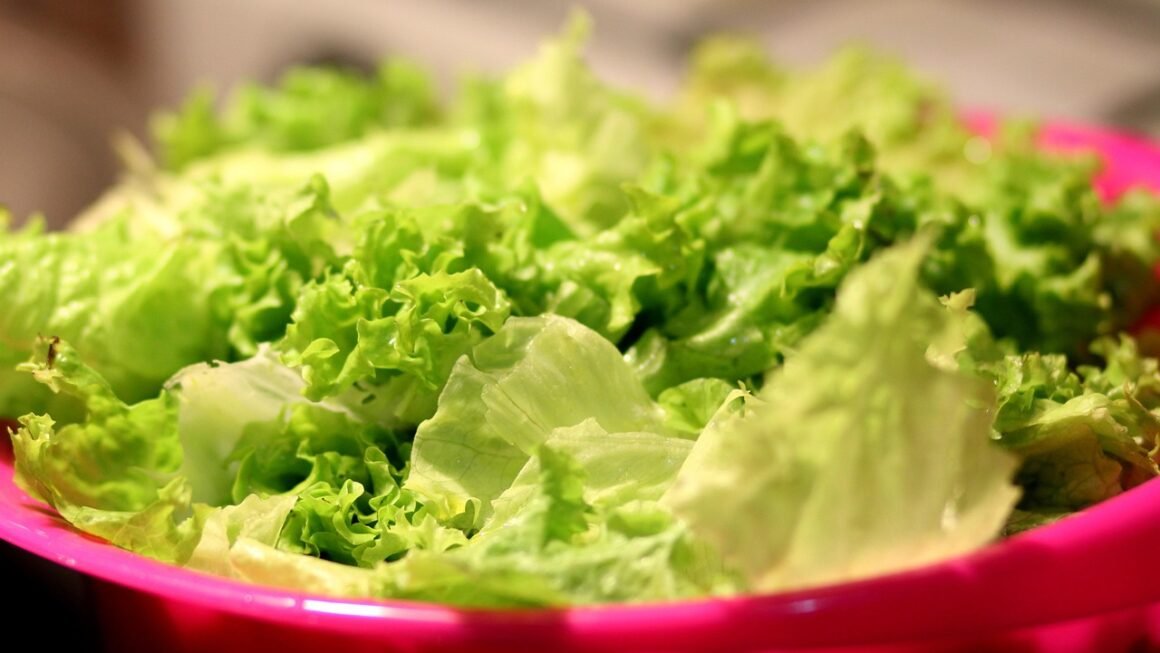
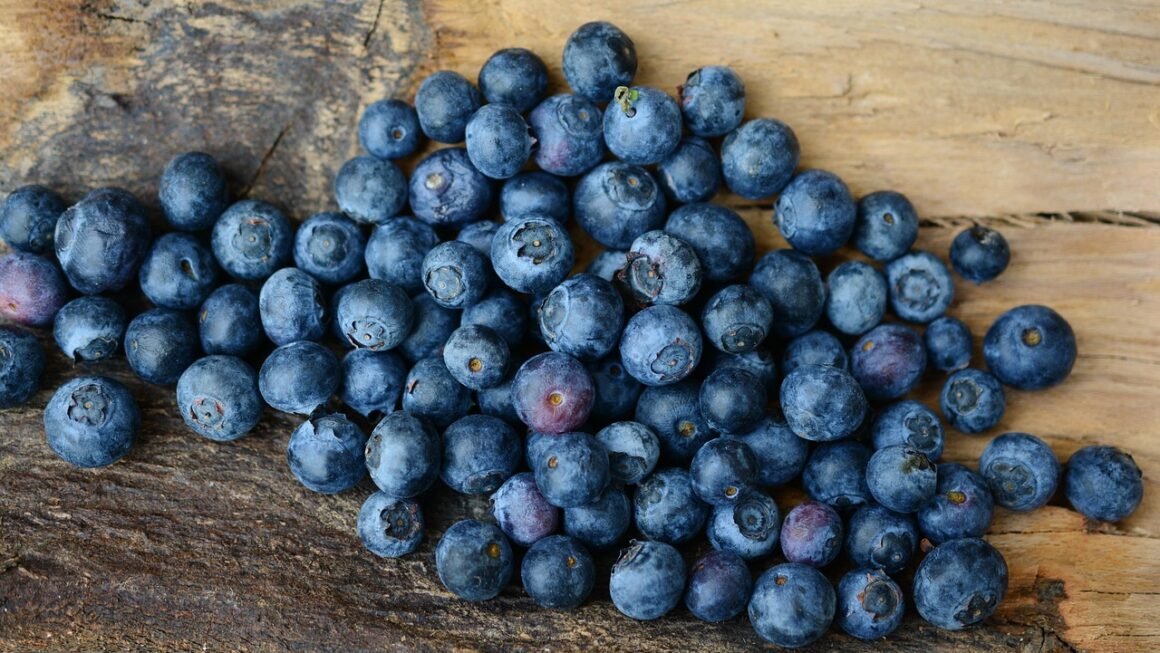
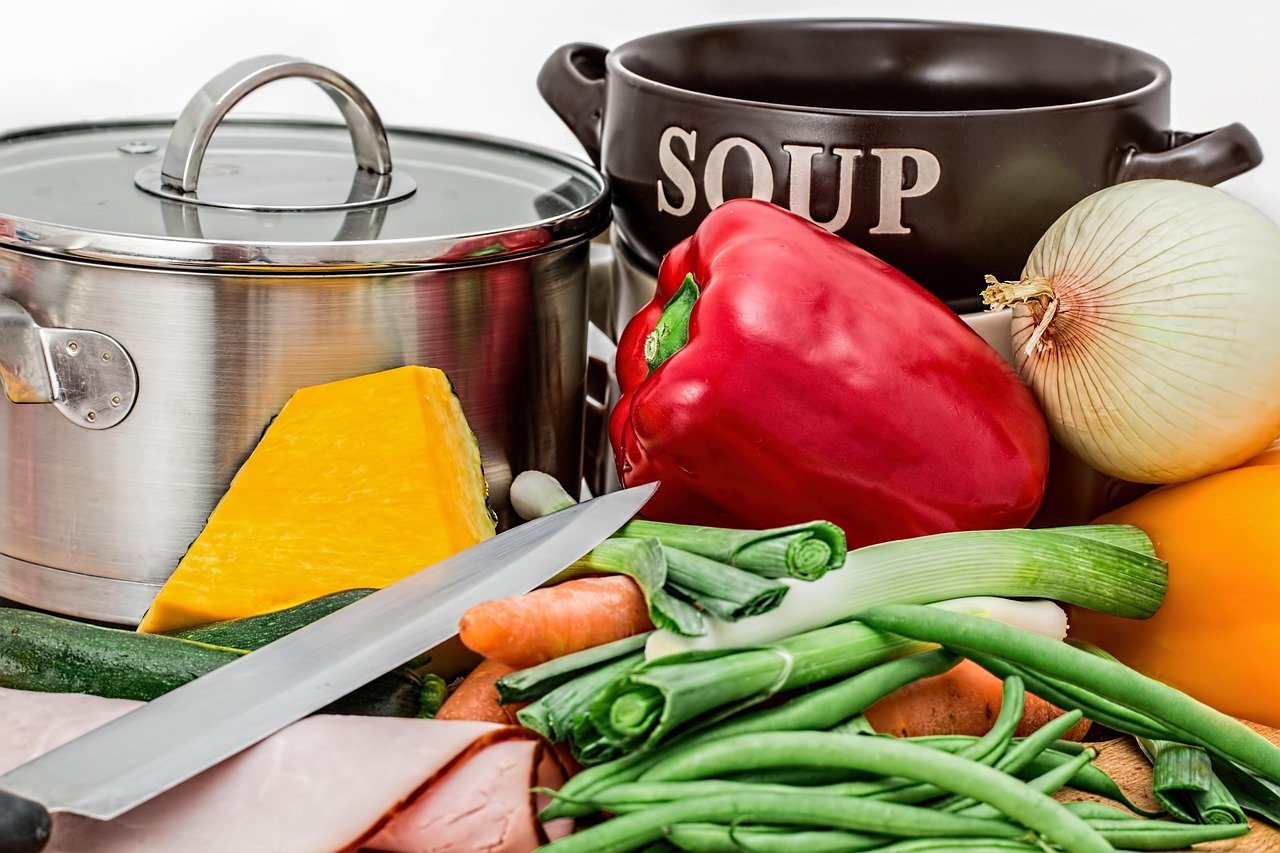
- Fruits and vegetables
- Meat, poultry, and fish (unbreaded and unmarinated)
- Beans, lentils, and legumes
- Nuts and seeds
- Dairy products (check for added ingredients)
- Gluten-free grains: Rice, quinoa, corn, oats (certified gluten-free), sorghum, teff, millet, buckwheat, amaranth.
Foods to Avoid
The main challenge of a gluten-free diet is avoiding foods that contain wheat, rye, and barley. These ingredients are often hidden in processed foods. Be sure to avoid or carefully check labels for:
- Bread and baked goods made with wheat flour
- Pasta (unless gluten-free)
- Cereals (many contain wheat or barley malt)
- Crackers
- Sauces and gravies (often thickened with wheat flour)
- Beer (most beers contain barley)
- Processed meats (some may contain wheat fillers)
- Soy sauce (most brands contain wheat)
- Malt vinegar
Reading Food Labels: Key Terms to Look For
Understanding food labels is essential for avoiding gluten. Look for:
- “Gluten-Free”: This indicates the product contains less than 20 parts per million (ppm) of gluten, as defined by the FDA.
- “Wheat-Free”: This does not necessarily mean gluten-free, as the product may contain rye or barley.
- “Contains Wheat”: This alerts you to the presence of wheat in the product.
- Hidden Gluten Ingredients: Be aware of ingredients like modified food starch, malt extract, and hydrolyzed vegetable protein, which can sometimes contain gluten. Always check the source of these ingredients.
Gluten-Free Cooking and Baking
Essential Gluten-Free Pantry Staples
Building a well-stocked gluten-free pantry is crucial for successful gluten-free cooking. Essential items include:
- Gluten-free flours: Almond flour, rice flour, tapioca flour, potato starch, cornstarch, coconut flour, oat flour (certified gluten-free).
- Gluten-free pasta: Made from rice, corn, quinoa, or a blend of gluten-free flours.
- Gluten-free bread crumbs: For coating and binding.
- Gluten-free soy sauce (tamari): A safe alternative to traditional soy sauce.
- Gluten-free baking powder: Check the label to ensure it’s gluten-free.
Tips for Gluten-Free Baking
Gluten-free baking can be challenging, as gluten provides structure and elasticity. Here are some tips for success:
- Use a blend of flours: Combining different gluten-free flours can mimic the properties of wheat flour.
- Add xanthan gum or guar gum: These gums act as binders and help provide structure.
- Use a liquid enhancer: Adding a bit of apple cider vinegar or lemon juice can help activate baking powder and create a lighter texture.
- Don’t overmix: Overmixing can result in a tough, dense baked good.
- Lower the oven temperature: Gluten-free baked goods often bake faster, so reduce the oven temperature by 25°F (15°C).
Easy Gluten-Free Recipes
- Gluten-Free Pizza: Use a gluten-free pizza crust or make your own using a blend of gluten-free flours.
- Gluten-Free Pasta Salad: Use gluten-free pasta and add your favorite vegetables, cheese, and dressing.
- Gluten-Free Brownies: Use almond flour or a gluten-free flour blend for rich, fudgy brownies.
- Gluten-Free Pancakes: Use a gluten-free pancake mix or make your own from scratch.
Eating Out Gluten-Free
Researching Restaurants in Advance
Eating out on a gluten-free diet requires careful planning. Before heading to a restaurant:
- Check the restaurant’s website: Look for information about gluten-free options or a gluten-free menu.
- Read online reviews: Search for reviews from other gluten-free diners.
- Call the restaurant: Inquire about their gluten-free procedures and cross-contamination prevention.
Communicating with Restaurant Staff
When ordering, be clear and specific about your dietary needs. Explain that you need a gluten-free meal and ask about potential sources of cross-contamination. Consider using a chef card to clearly communicate your dietary restrictions.
Cross-Contamination Concerns
Cross-contamination is a major concern when eating out. Be aware of:
- Shared cooking surfaces: Grills, fryers, and cutting boards can easily contaminate gluten-free food.
- Shared utensils: Avoid dishes prepared with the same utensils used for gluten-containing foods.
- Flour in the air: Bakeries or restaurants that use a lot of flour can pose a risk of airborne contamination.
Safe Choices and What to Avoid
- Safer choices: Grilled meats, salads (without croutons or gluten-containing dressings), plain steamed vegetables, rice dishes.
- Things to avoid: Fried foods (unless the restaurant has a dedicated gluten-free fryer), breaded dishes, sauces and gravies (unless confirmed gluten-free), pasta dishes (unless gluten-free pasta is available).
Conclusion
Embracing a gluten-free diet can seem daunting at first, but with the right knowledge and resources, it can be a manageable and even enjoyable lifestyle. Understanding the nuances of gluten, mastering gluten-free cooking, and navigating dining out with confidence are all key to success. Remember, the goal is not just to eliminate gluten, but to embrace a healthier, more informed way of eating that supports your overall well-being. Always consult with a healthcare professional or registered dietitian for personalized advice and guidance.