Herbal supplements have surged in popularity, as individuals seek natural alternatives to support their health and well-being. From ancient remedies to modern formulations, the world of herbal supplements offers a diverse array of options. However, navigating this landscape requires understanding, knowledge, and a cautious approach. This guide provides a comprehensive overview of herbal supplements, helping you make informed decisions about incorporating them into your health routine.
Understanding Herbal Supplements
What are Herbal Supplements?
Herbal supplements, also known as botanicals, are products derived from plants intended to supplement the diet. They come in various forms, including:
- Capsules: Convenient and easy to swallow.
- Tablets: Similar to capsules, often containing compressed herbal powders.
- Powders: Can be mixed into smoothies, juices, or other beverages.
- Teas: Infusions made from dried herbs and leaves.
- Extracts: Concentrated forms of herbal compounds, often in liquid form.
These supplements contain a variety of plant parts, such as leaves, stems, roots, flowers, seeds, and berries. They are often marketed for their potential health benefits, ranging from immune support to improved cognitive function.
Regulation and Quality Control
It’s crucial to understand that herbal supplements are regulated differently than pharmaceutical drugs. In the United States, the Food and Drug Administration (FDA) regulates herbal supplements as food products, not drugs. This means they are not subject to the same rigorous testing and approval processes as medications.
- DSHEA Act: The Dietary Supplement Health and Education Act (DSHEA) of 1994 governs the regulation of supplements. It places the responsibility for ensuring safety and accurate labeling on the manufacturer.
- Third-Party Testing: Look for products that have been tested by independent third-party organizations like USP, NSF International, or ConsumerLab.com. These certifications indicate that the product has been tested for purity, potency, and accurate labeling.
- Potential Risks: Because of limited regulation, there’s a risk of contamination, inaccurate labeling, and interactions with medications. Always research the manufacturer and choose reputable brands.
Popular Herbal Supplements and Their Uses
Immune Support
Many herbs are known for their immune-boosting properties.
- Echinacea: Often used to shorten the duration of colds and flu. Studies suggest it can stimulate the immune system.
- Elderberry: Rich in antioxidants and may help reduce the severity of respiratory infections. Available in syrups, lozenges, and capsules.
- Astragalus: Traditional Chinese medicine herb believed to enhance immune function. It may increase the activity of immune cells.
- Example: During cold and flu season, consider taking elderberry syrup daily as a preventative measure.
Stress and Anxiety Relief
Several herbs have calming and relaxing effects.
- Ashwagandha: An adaptogen that helps the body cope with stress. Studies indicate it can lower cortisol levels.
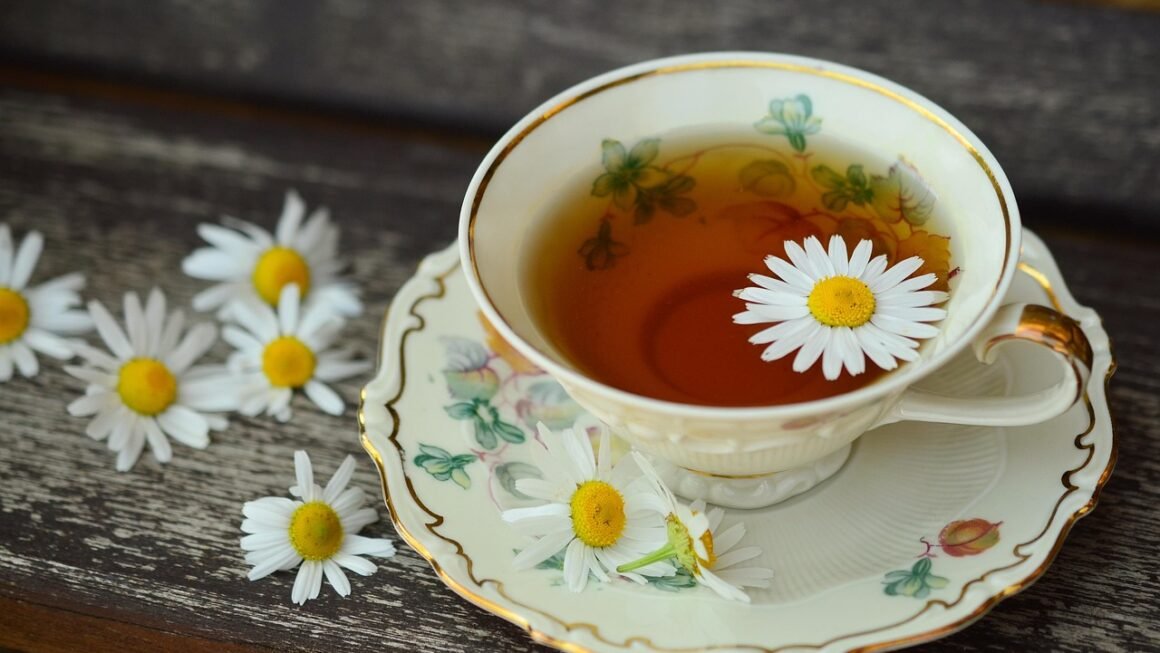
- Chamomile: Known for its calming properties and often used to promote relaxation and sleep. Typically consumed as tea.
- Lavender: Its scent can reduce anxiety and promote relaxation. Available as essential oil for aromatherapy or as a supplement.
- Example: Drink a cup of chamomile tea before bed to promote relaxation and improve sleep quality.
Cognitive Function and Memory
Certain herbs may support brain health and cognitive function.
- Ginkgo Biloba: Believed to improve blood flow to the brain and enhance memory and cognitive performance. Research is mixed, but some studies show benefits for age-related cognitive decline.
- Bacopa Monnieri: An Ayurvedic herb that may improve memory and cognitive function. It’s thought to protect brain cells from damage.
- Turmeric (Curcumin): Contains curcumin, a compound with antioxidant and anti-inflammatory properties that may benefit brain health.
- Example: Consider adding turmeric to your diet or taking a curcumin supplement to potentially support brain health. Pair it with black pepper to enhance absorption.
Digestive Health
Herbal remedies can also aid in digestive health and alleviate common issues.
- Peppermint: Can help relieve symptoms of irritable bowel syndrome (IBS), such as bloating and gas. Often taken as peppermint oil capsules.
- Ginger: Known for its anti-nausea properties and can help alleviate motion sickness and morning sickness. Available in capsules, teas, and candies.
- Slippery Elm: Soothes the digestive tract and can help relieve heartburn and constipation. Often taken as a powder mixed with water.
- Example: Drink ginger tea after a heavy meal to aid digestion and reduce bloating.
Potential Risks and Side Effects
Interactions with Medications
Herbal supplements can interact with prescription medications, potentially altering their effects.
- St. John’s Wort: Can interact with antidepressants, birth control pills, and blood thinners.
- Ginkgo Biloba: May increase the risk of bleeding, especially when taken with blood thinners.
- Garlic: Can also have blood-thinning effects and should be used cautiously with blood thinners.
- Actionable Takeaway: Always inform your healthcare provider about any herbal supplements you are taking to avoid potential interactions.
Allergic Reactions
Some individuals may experience allergic reactions to certain herbs.
- Symptoms: Rashes, itching, swelling, and difficulty breathing.
- Common Allergens: Chamomile, Echinacea, and other herbs in the Asteraceae family.
- What to do: Discontinue use immediately and seek medical attention if you experience an allergic reaction.
Quality and Purity Concerns
As mentioned earlier, the lack of strict regulation means that some supplements may contain contaminants or inaccurate labeling.
- Heavy Metals: Some herbal supplements may contain heavy metals like lead, mercury, and arsenic.
- Adulteration: Products may be adulterated with other substances, including prescription drugs.
- Solution: Purchase supplements from reputable brands that undergo third-party testing.
How to Choose and Use Herbal Supplements Safely
Consult a Healthcare Professional
Before starting any new herbal supplement, consult with your doctor, pharmacist, or a qualified healthcare provider.
- Individual Health Needs: They can assess your individual health needs and advise on potential risks and interactions.
- Dosage Recommendations: They can provide guidance on appropriate dosages based on your specific condition.
Start with Low Doses
When trying a new herbal supplement, start with a low dose to assess your tolerance and monitor for any adverse effects.
- Gradual Increase: Gradually increase the dose as needed, following the recommended guidelines.
- Monitor for Side Effects: Pay attention to any unusual symptoms or side effects.
Read Labels Carefully
Always read the product label carefully and follow the instructions.
- Ingredients: Check the list of ingredients to ensure you are not allergic to any of them.
- Dosage Instructions: Follow the recommended dosage and frequency.
- Expiration Date: Check the expiration date to ensure the product is still effective.
Purchase from Reputable Brands
Choose herbal supplements from reputable brands that prioritize quality and undergo third-party testing.
- Research: Research the manufacturer’s reputation and history.
- Certifications:* Look for certifications from independent organizations like USP, NSF International, or ConsumerLab.com.
Conclusion
Herbal supplements can be a valuable addition to a healthy lifestyle, offering potential benefits for various health concerns. However, it is crucial to approach them with caution, knowledge, and awareness of potential risks. By understanding the regulation, choosing high-quality products, consulting with healthcare professionals, and using supplements responsibly, you can safely explore the potential benefits of herbal remedies. Remember that herbal supplements are not a substitute for conventional medical treatment. Always prioritize a balanced diet, regular exercise, and professional medical care for optimal health.