Embracing a raw food diet is more than just a culinary trend; it’s a lifestyle choice that centers around consuming foods in their most natural state. This way of eating, which prioritizes uncooked, unprocessed plant-based foods, is believed by many to offer a plethora of health benefits. From increased energy levels to improved digestion, the raw food diet presents an intriguing alternative to conventional eating habits. But is it right for you? Let’s delve into the details and explore the ins and outs of this increasingly popular approach to nutrition.
What is a Raw Food Diet?
Definition and Core Principles
A raw food diet typically consists of foods that haven’t been heated above 104-118°F (40-48°C). The central idea is that heating food can destroy its natural enzymes and reduce its nutritional value. Advocates believe that consuming food in its raw state allows the body to better absorb nutrients and promotes overall health. Key aspects of the diet include:
- Emphasizing plant-based foods like fruits, vegetables, nuts, seeds, sprouts, and legumes.
- Avoiding cooked, processed, and refined foods.
- Utilizing preparation techniques like blending, juicing, sprouting, soaking, and dehydrating.
Why Choose a Raw Food Diet?
People adopt raw food diets for a variety of reasons, often driven by health concerns or a desire for a more natural way of eating. Some common motivations include:
- Weight loss: Raw foods tend to be lower in calories and higher in fiber, promoting satiety and aiding in weight management.
- Increased energy: Many individuals report feeling more energized after switching to a raw food diet.
- Improved digestion: The high fiber content of raw fruits and vegetables can promote healthy digestion and gut health.
- Enhanced skin health: The antioxidants and vitamins found in raw foods can contribute to healthier, more radiant skin.
- Environmental concerns: A plant-based diet often reduces environmental impact.
Foods Included and Excluded
Raw Food Diet Staples
The foundation of a raw food diet lies in a wide array of fresh, unprocessed plant-based foods. These include:
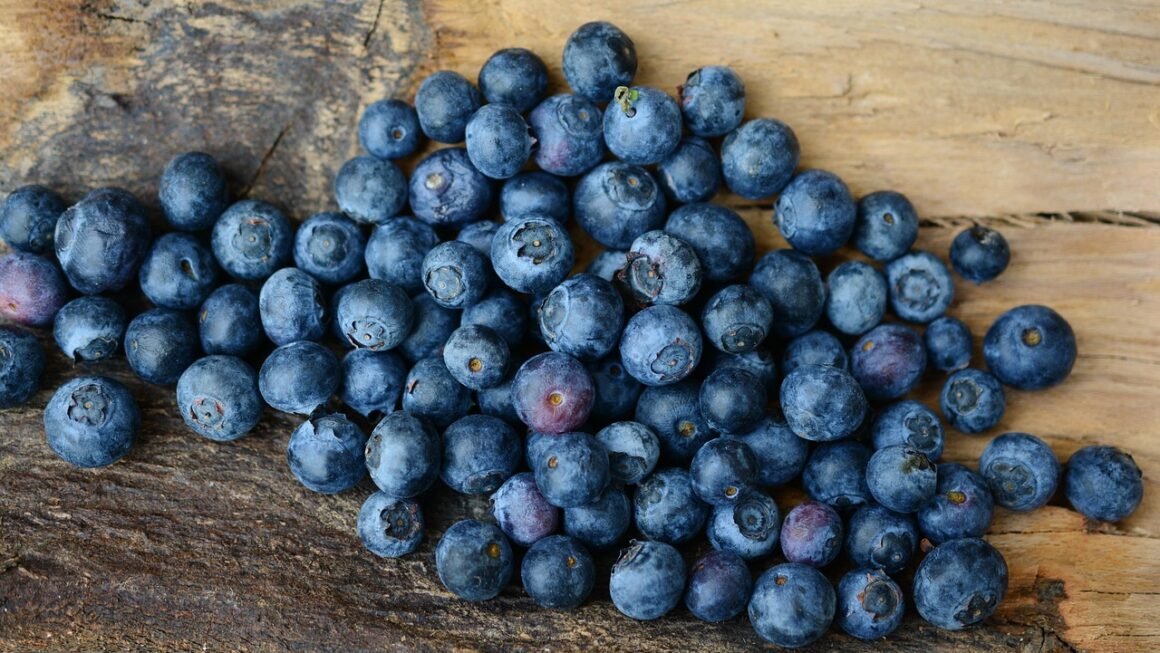
- Fruits: Apples, bananas, berries, melons, citrus fruits, and tropical fruits.
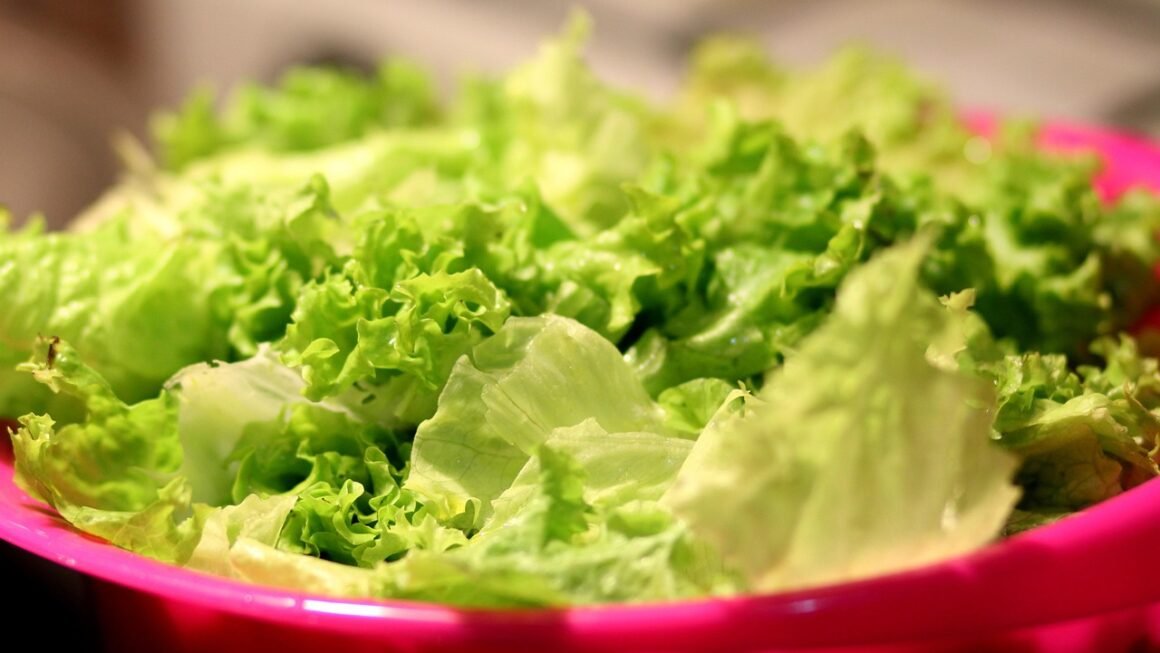
- Vegetables: Leafy greens (spinach, kale, lettuce), cruciferous vegetables (broccoli, cauliflower, cabbage), root vegetables (carrots, beets), and other vegetables like cucumbers, peppers, and tomatoes.
- Nuts and seeds: Almonds, walnuts, sunflower seeds, flax seeds, chia seeds (typically soaked or sprouted).
- Sprouted grains and legumes: Sprouted quinoa, lentils, beans, and other grains and legumes.
- Seaweed: Dulse, nori, kelp.
- Fermented foods: Raw sauerkraut, kimchi, kombucha.
- Other: Raw nut butters, cold-pressed oils, raw honey (in moderation).
Foods to Avoid
Foods that are cooked, processed, or contain animal products are generally excluded from a strict raw food diet. Common foods to avoid include:
- Cooked meats and fish: Beef, poultry, pork, salmon, tuna.
- Dairy products: Milk, cheese, yogurt (unless raw and unpasteurized, which carries risks).
- Eggs: Cooked eggs of any kind.
- Processed foods: Packaged snacks, refined sugars, white flour products.
- Cooked grains and legumes: Rice, pasta, bread, cooked beans.
- Coffee and alcohol: These are typically avoided due to their processing methods and potential health impacts.
Benefits and Potential Drawbacks
Potential Advantages of a Raw Food Lifestyle
Adopting a raw food diet can offer several potential health benefits, though it’s important to note that scientific research in this area is still evolving. Some commonly cited benefits include:
- Rich in Nutrients: Raw foods are packed with vitamins, minerals, and antioxidants that can support overall health.
- Improved Digestion: The high fiber content can promote regular bowel movements and a healthy gut microbiome.
- Weight Management: Raw food diets are often naturally lower in calories and higher in fiber, aiding in weight loss or maintenance.
- Increased Energy Levels: Many individuals report experiencing heightened energy and vitality.
- Reduced Risk of Chronic Diseases: Some studies suggest a plant-based diet may reduce the risk of heart disease, type 2 diabetes, and certain cancers.
Potential Challenges and Considerations
While a raw food diet can be beneficial, it’s crucial to be aware of potential drawbacks and challenges:
- Nutrient Deficiencies: A poorly planned raw food diet can lead to deficiencies in essential nutrients like vitamin B12, vitamin D, iron, calcium, and omega-3 fatty acids. Supplementation may be necessary.
- Social Challenges: Eating out and attending social events can be difficult due to limited raw food options.
- Food Safety: Raw foods carry a higher risk of bacterial contamination. Proper food handling and hygiene are essential.
- Time Commitment: Preparing raw food meals can be time-consuming, requiring chopping, soaking, sprouting, and dehydrating.
- Digestive Issues: Some individuals may experience digestive discomfort like bloating or gas, especially when first transitioning to a raw food diet.
- Dental Health: The acidity of some fruits can erode tooth enamel. Proper dental hygiene is essential.
Getting Started with a Raw Food Diet
Gradual Transition
It’s generally recommended to transition to a raw food diet gradually, rather than making a sudden, drastic change. This allows your body to adjust and minimizes potential digestive discomfort.
- Start by incorporating more raw fruits and vegetables into your existing diet.
- Replace one cooked meal a day with a raw meal. For example, have a large salad for lunch or a smoothie for breakfast.
- Experiment with raw food recipes. Explore different flavor combinations and preparation techniques.
- Gradually reduce your intake of processed foods and cooked foods.
Meal Planning and Recipes
Effective meal planning is crucial for success on a raw food diet.
- Plan your meals in advance to ensure you’re getting a balanced intake of nutrients.
- Create a shopping list based on your meal plan to avoid impulse purchases of processed foods.
- Prepare ingredients in bulk to save time during the week. For example, chop vegetables, soak nuts, and sprout seeds in advance.
- Example Raw Food Recipes:
- Green Smoothie: Blend spinach, kale, banana, mango, water, and a squeeze of lemon juice.
- Raw Salad: Combine mixed greens, chopped vegetables (cucumber, bell peppers, carrots), avocado, sprouted seeds, and a homemade raw dressing (e.g., lemon juice, olive oil, herbs).
- Zucchini Noodles with Raw Pesto: Spiralize zucchini into noodles and toss with a pesto made from basil, pine nuts, garlic, olive oil, and nutritional yeast.
- Dehydrated Crackers: Blend soaked nuts and seeds with vegetables and spices, then dehydrate until crisp.
Key Considerations
- Ensure adequate calorie intake: Raw foods can be less calorie-dense than cooked foods, so it’s important to consume enough to meet your energy needs.
- Prioritize nutrient-dense foods: Focus on fruits, vegetables, nuts, and seeds that are rich in vitamins, minerals, and antioxidants.
- Consult with a healthcare professional or registered dietitian* before starting a raw food diet, especially if you have any underlying health conditions or are taking medications.
Conclusion
A raw food diet offers a unique approach to nutrition, emphasizing whole, unprocessed plant-based foods in their natural state. While it can offer potential benefits such as increased energy, improved digestion, and weight management, it’s crucial to approach it with careful planning and attention to nutrient needs. A gradual transition, combined with a diverse range of raw fruits, vegetables, nuts, and seeds, is essential for long-term success. Remember to consult with a healthcare professional or registered dietitian to ensure that a raw food diet is appropriate for your individual health needs and circumstances.