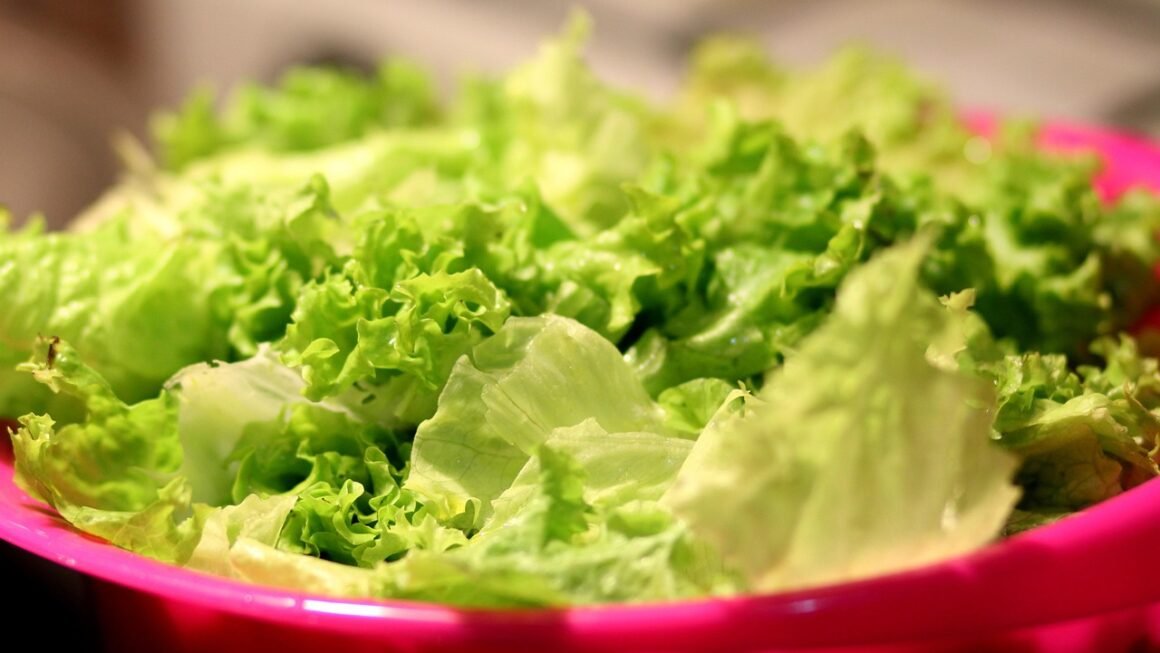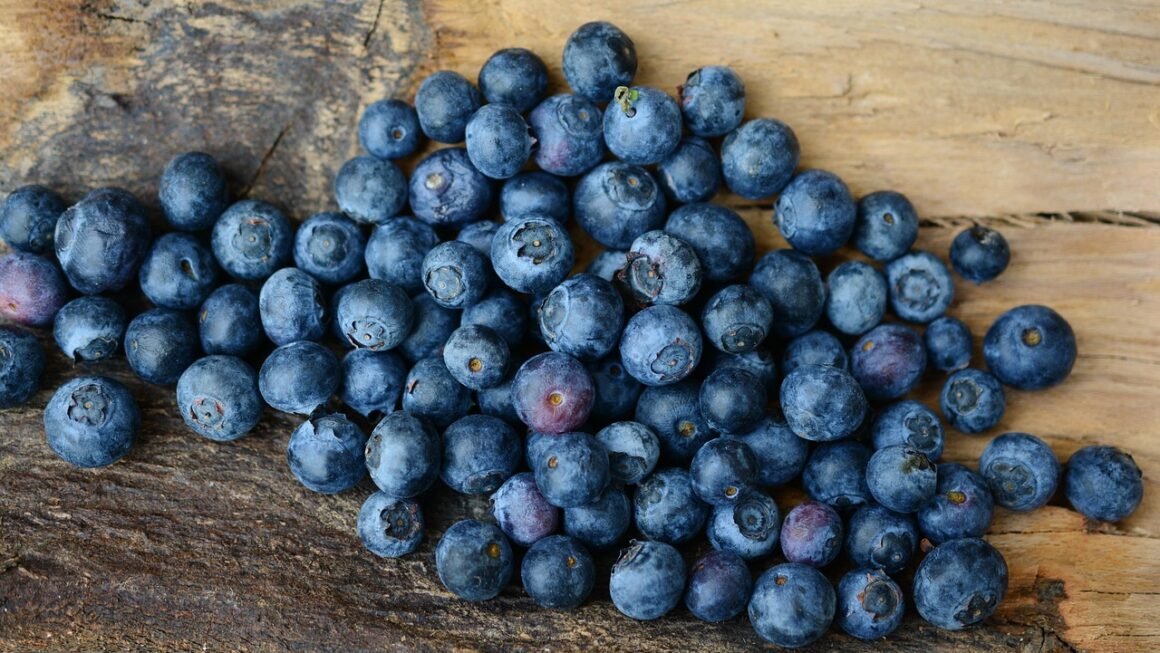
Is a raw food diet right for you? Imagine a vibrant plate bursting with colorful fruits, crisp vegetables, and nutrient-rich nuts and seeds – all untouched by heat. This is the essence of a raw food diet, a lifestyle centered around consuming foods in their most natural, unprocessed state. But is it just a trendy diet, or a path to enhanced health and vitality? Let’s delve into the world of raw food, exploring its benefits, challenges, and how to embark on this culinary journey safely and effectively.
What is a Raw Food Diet?
Defining “Raw”
At its core, a raw food diet involves consuming foods that haven’t been heated above a certain temperature, typically around 104-118°F (40-48°C). The belief is that heating food destroys valuable enzymes and nutrients, reducing its overall health benefits. The diet primarily consists of:
- Fruits
- Vegetables
- Nuts
- Seeds
- Sprouted grains
- Legumes
- Sea vegetables
Some raw foodists also include raw dairy, eggs, and even raw meat, although these are less common and involve specific food safety considerations.
Different Types of Raw Food Diets
Not all raw food diets are the same. Here are some common variations:
- Raw Vegan: Excludes all animal products, focusing solely on plant-based raw foods. This is the most common type.
- Raw Vegetarian: Includes raw dairy and eggs in addition to plant-based raw foods.
- Raw Omnivore: Includes raw meat, fish, dairy, and eggs along with plant-based raw foods. This approach requires rigorous attention to food safety.
- Raw Food Gourmet: Focuses on creating complex and delicious raw dishes using techniques like dehydrating, blending, and sprouting. Think raw lasagnas, pizzas, and even desserts!
Potential Benefits of Eating Raw
Increased Nutrient Intake
One of the primary arguments for a raw food diet is the potential for higher nutrient intake. Heating food can destroy certain vitamins, minerals, and enzymes.
- Vitamin C: A heat-sensitive vitamin that’s abundant in raw fruits and vegetables. For example, eating a raw bell pepper provides significantly more Vitamin C than a cooked one.
- Enzymes: Raw food proponents believe enzymes aid digestion and overall health. While the digestive system produces its own enzymes, they argue that consuming enzyme-rich foods reduces the burden on the body.
- Fiber: Raw fruits and vegetables are excellent sources of dietary fiber, promoting healthy digestion and satiety.
Improved Digestion
The high fiber content of raw foods can promote regularity and support a healthy gut microbiome.
- Fiber Example: A green smoothie packed with leafy greens, fruits, and seeds can provide a significant boost of fiber, aiding in healthy bowel movements.
- Hydration: Many raw foods, like cucumbers and watermelons, have high water content, contributing to overall hydration and supporting digestive function.
Weight Management
Raw food diets are often lower in calories and higher in fiber, which can naturally lead to weight loss.
- Calorie Density: Raw plant-based foods tend to be less calorie-dense than processed foods, allowing you to eat larger volumes while consuming fewer calories.
- Satiety: The fiber content in raw foods promotes feelings of fullness, reducing cravings and overeating.
Potential Challenges and Considerations
Nutrient Deficiencies
A poorly planned raw food diet can lead to deficiencies in certain nutrients, particularly vitamin B12, vitamin D, iron, calcium, and omega-3 fatty acids.
- Vitamin B12: This vitamin is primarily found in animal products. Raw vegans need to supplement with B12 to avoid deficiency. Nutritional yeast can provide a small amount, but supplementation is usually necessary.
- Vitamin D: While sunlight is the primary source, food sources are limited. Fortified plant-based milks or supplements may be needed.
- Iron: While raw leafy greens contain iron, the type of iron (non-heme iron) is less readily absorbed than heme iron found in animal products. Combining iron-rich foods with vitamin C can enhance absorption.
Food Safety
Consuming raw foods, especially animal products, carries a risk of foodborne illness. Proper handling and preparation are crucial.
- Raw Meat/Fish: If considering raw meat or fish, ensure it’s sourced from reputable suppliers who adhere to strict food safety standards. The risk of bacterial contamination is significant.
- Sprouting: Sprouting grains and legumes creates a warm, moist environment that can promote bacterial growth. Rinse sprouts thoroughly and frequently.
- Cross-Contamination: Prevent cross-contamination by using separate cutting boards and utensils for raw and cooked foods.
Social and Practical Limitations
Following a raw food diet can be challenging in social situations and may require significant time and effort for food preparation.
- Eating Out: Finding raw food options at restaurants can be difficult. Advance planning and packing your own meals may be necessary.
- Preparation Time: Many raw food recipes require soaking, sprouting, dehydrating, or blending, which can be time-consuming.
- Cost: Organic produce and specialty raw food ingredients can be expensive.
Getting Started with a Raw Food Diet
Gradual Transition
Avoid making drastic changes to your diet overnight. Gradually incorporate more raw foods into your meals over time.
- Start with Simple Swaps: Add a green smoothie to your breakfast routine, swap processed snacks for raw fruits and vegetables, and try a raw salad for lunch.
- Listen to Your Body: Pay attention to how your body responds to the increased fiber intake. Drink plenty of water to avoid digestive discomfort.
Meal Planning and Preparation
Plan your meals in advance to ensure you’re getting a balanced intake of nutrients and to avoid resorting to less healthy options when you’re short on time.
- Batch Cooking: Prepare large batches of raw sauces, dressings, and snacks to have on hand throughout the week.
- Dehydrator: Invest in a food dehydrator for making raw crackers, chips, and other snacks.
- Recipes: Explore raw food cookbooks and online resources for inspiration and recipes. Focus on recipes that are both delicious and nutritionally balanced.
Focus on Nutrient Density
Prioritize nutrient-dense raw foods to ensure you’re meeting your nutritional needs.
- Leafy Greens: Excellent sources of vitamins, minerals, and antioxidants.
- Nuts and Seeds: Provide healthy fats, protein, and minerals. Soaking them overnight can improve digestibility.
- Avocados: Rich in healthy fats and vitamins.
- Sea Vegetables: Good sources of iodine and other minerals.
Conclusion
Embarking on a raw food diet can be a rewarding journey towards improved health and well-being. The emphasis on whole, unprocessed foods is undoubtedly beneficial. However, it’s crucial to approach this lifestyle with careful planning, attention to nutrient deficiencies, and a commitment to food safety. By transitioning gradually, focusing on nutrient density, and seeking guidance from healthcare professionals or experienced raw food practitioners, you can reap the potential benefits of this diet while minimizing the risks. The raw food diet isn’t a one-size-fits-all solution, but with the right approach, it can be a sustainable and vibrant path to optimal health.