The DASH diet, consistently ranked among the best overall diets by experts, isn’t just another fleeting food trend. It’s a scientifically-backed eating plan designed to help manage and prevent high blood pressure, and it offers a wealth of other health benefits too. Far from restrictive, the DASH diet focuses on incorporating wholesome, nutrient-rich foods into your daily life, making it a sustainable and enjoyable way to improve your overall well-being. Let’s dive into the specifics of this heart-healthy approach to eating.
Understanding the DASH Diet
The DASH diet, which stands for Dietary Approaches to Stop Hypertension, was initially developed by the National Heart, Lung, and Blood Institute (NHLBI) to combat high blood pressure. It’s not a weight-loss diet, although many people do experience weight loss as a side effect. The core principle of the DASH diet is to emphasize foods that are naturally low in sodium, high in potassium, calcium, and magnesium – nutrients that help regulate blood pressure.
Key Principles of the DASH Diet
- Focus on Whole Foods: The DASH diet centers around whole, unprocessed foods like fruits, vegetables, whole grains, lean protein, and low-fat dairy.
- Limit Sodium Intake: Reducing sodium is a cornerstone of the DASH diet. The standard DASH diet recommends limiting sodium to 2,300 mg per day, while the lower sodium version restricts it to 1,500 mg per day.
- Increase Potassium Intake: Potassium helps balance sodium levels and relax blood vessel walls. Foods like bananas, sweet potatoes, spinach, and avocados are excellent sources of potassium.
- Moderate Portions: The DASH diet is not just about what you eat, but also how much. Portion control is crucial for managing calorie intake and maintaining a healthy weight.
How the DASH Diet Works
The DASH diet works by addressing the dietary factors that contribute to high blood pressure. High sodium intake can cause the body to retain water, increasing blood volume and pressure on artery walls. By reducing sodium and increasing the intake of nutrients like potassium, calcium, and magnesium, the DASH diet helps to lower blood pressure and improve cardiovascular health. For instance, a study published in the New England Journal of Medicine found that the DASH diet significantly lowered blood pressure in individuals with and without hypertension.
Foods to Embrace on the DASH Diet
The DASH diet encourages you to fill your plate with a vibrant array of nutritious foods. Understanding which foods to prioritize is key to successfully implementing the plan.
Fruits and Vegetables
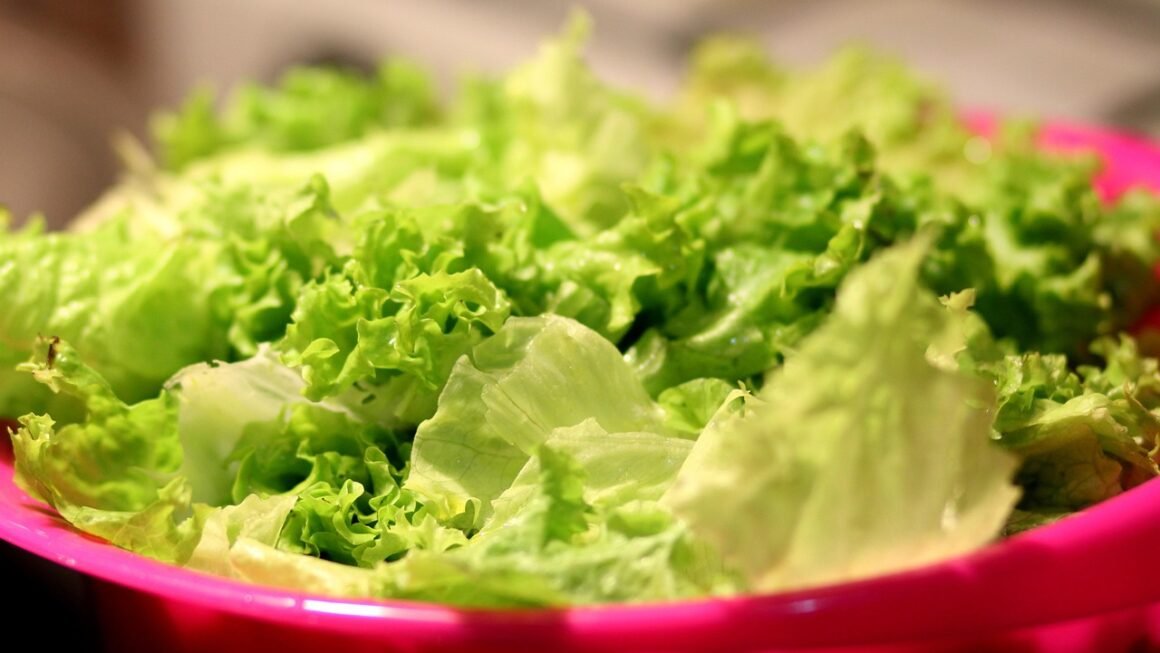
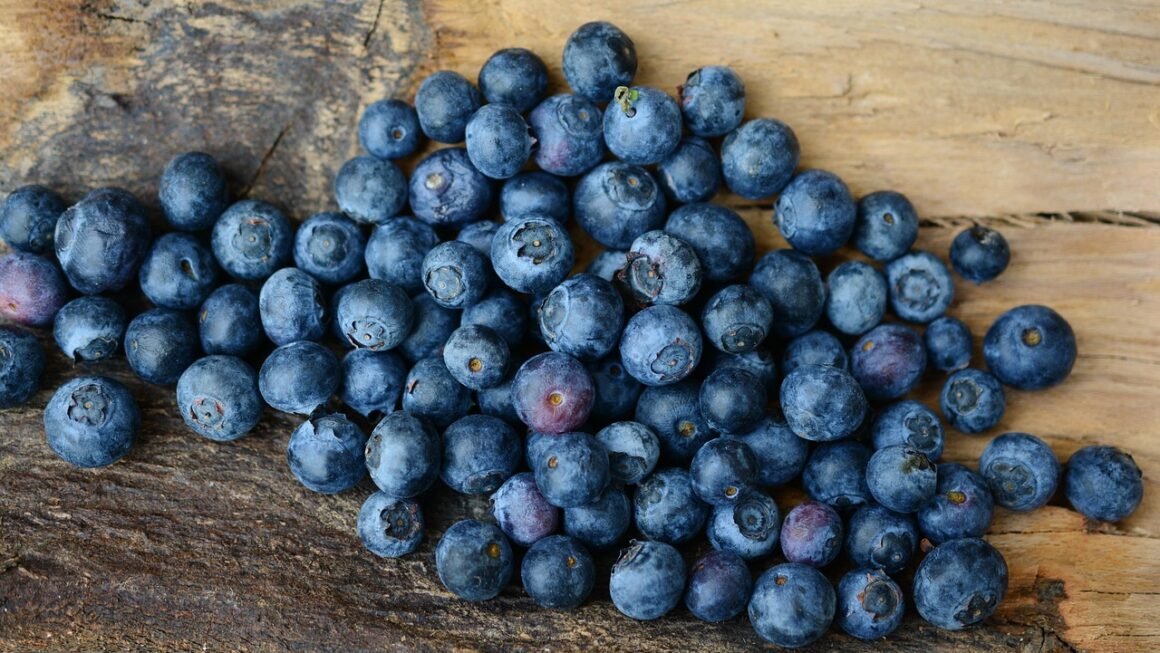
- Variety is Key: Aim for a rainbow of colors to maximize nutrient intake. Berries, leafy greens, citrus fruits, and cruciferous vegetables are all excellent choices.
- Portion Recommendations: Aim for 4-5 servings of fruits and 4-5 servings of vegetables per day.
Example: A serving could be one medium-sized fruit (apple, orange, banana) or 1/2 cup of cooked vegetables.
Whole Grains
- Choose Whole Over Refined: Opt for whole wheat bread, brown rice, quinoa, and oats over white bread, white rice, and processed cereals.
- Fiber Benefits: Whole grains are rich in fiber, which helps regulate blood sugar levels, promotes satiety, and supports digestive health.
- Portion Recommendations: Aim for 6-8 servings of whole grains per day.
Example: A serving could be 1 slice of whole wheat bread or 1/2 cup of cooked brown rice.
Lean Protein
- Prioritize Lean Sources: Choose skinless poultry, fish, beans, lentils, and tofu as your primary protein sources.
- Limit Red Meat: Reduce your intake of red meat, especially processed meats like bacon and sausage.
- Portion Recommendations: Aim for no more than 6 ounces of lean meat, poultry, or fish per day.
Example: A serving could be 3 ounces of grilled chicken breast or baked salmon.
Low-Fat Dairy
- Opt for Low-Fat or Fat-Free: Choose skim milk, low-fat yogurt, and low-fat cheese to minimize saturated fat intake.
- Calcium Benefits: Dairy products are excellent sources of calcium, which is essential for bone health and blood pressure regulation.
- Portion Recommendations: Aim for 2-3 servings of low-fat dairy per day.
Example: A serving could be 1 cup of skim milk or 1 cup of low-fat yogurt.
Nuts, Seeds, and Legumes
- Healthy Fats and Fiber: Nuts, seeds, and legumes are packed with healthy fats, fiber, and protein.
- Portion Control: These foods are calorie-dense, so portion control is important.
- Portion Recommendations: Aim for 4-5 servings of nuts, seeds, and legumes per week.
Example: A serving could be 1/3 cup of nuts or seeds, or 1/2 cup of cooked beans or lentils.
Getting Started with the DASH Diet
Transitioning to the DASH diet doesn’t have to be overwhelming. Start with small, manageable changes and gradually incorporate more DASH-friendly foods into your diet.
Gradual Implementation
- Start Small: Don’t try to overhaul your entire diet overnight. Begin by making one or two small changes each week.
Example: Replace sugary drinks with water, or swap white bread for whole wheat bread.
- Read Food Labels: Pay attention to sodium content and choose lower-sodium options whenever possible.
- Cook at Home More Often: Cooking at home allows you to control the ingredients and sodium levels in your meals.
Meal Planning Tips
- Plan Your Meals in Advance: Planning your meals for the week can help you stay on track and avoid unhealthy impulse choices.
- Use DASH Diet Recipes: There are many DASH diet-friendly recipes available online and in cookbooks.
- Focus on Flavor: Use herbs, spices, and lemon juice to add flavor to your meals without adding sodium.
- Sample Meal Plan (1800 Calories):
Breakfast: Oatmeal with berries and nuts (1/2 cup oatmeal, 1/2 cup berries, 1/4 cup nuts)
Lunch: Salad with grilled chicken breast (3 oz chicken, mixed greens, vegetables, low-fat dressing)
Dinner: Baked salmon with roasted vegetables (3 oz salmon, 1 cup roasted vegetables)
Snacks: Apple slices with peanut butter, low-fat yogurt
Sodium Reduction Strategies
- Limit Processed Foods: Processed foods are often high in sodium.
- Use Fresh Ingredients: Fresh fruits, vegetables, and herbs are naturally low in sodium.
- Rinse Canned Goods: Rinsing canned beans and vegetables can reduce their sodium content.
- Choose Low-Sodium Condiments: Opt for low-sodium soy sauce, ketchup, and mustard.
- Taste Before Salting: Before adding salt to your food, taste it first. You may find that it doesn’t need any additional salt.
Benefits Beyond Blood Pressure
While the DASH diet is primarily known for its blood pressure-lowering effects, it offers a wide range of other health benefits.
Weight Management
- Calorie Control: The DASH diet emphasizes whole, unprocessed foods that are naturally lower in calories and higher in fiber, promoting satiety and weight management.
- Sustainable Approach: Unlike restrictive diets, the DASH diet is sustainable in the long term, making it easier to maintain a healthy weight.
- Example: Switching from processed snacks to fruits and vegetables can significantly reduce your calorie intake.
Improved Cholesterol Levels
- Lowering LDL Cholesterol: The DASH diet encourages the consumption of healthy fats and fiber, which can help lower LDL (bad) cholesterol levels.
- Increasing HDL Cholesterol: Regular physical activity, combined with the DASH diet, can help increase HDL (good) cholesterol levels.
- Example: Replacing saturated fats with unsaturated fats (found in nuts, seeds, and olive oil) can improve your cholesterol profile.
Reduced Risk of Other Chronic Diseases
- Diabetes Prevention: The DASH diet’s emphasis on whole grains, fruits, and vegetables can help regulate blood sugar levels and reduce the risk of type 2 diabetes.
- Heart Disease Prevention: By lowering blood pressure and cholesterol levels, the DASH diet can significantly reduce the risk of heart disease.
- Osteoporosis Prevention: The DASH diet’s emphasis on calcium-rich foods can help strengthen bones and prevent osteoporosis.
Conclusion
The DASH diet is more than just a diet; it’s a lifestyle change that can lead to significant improvements in your health. By focusing on whole, unprocessed foods, limiting sodium intake, and incorporating regular physical activity, you can effectively manage your blood pressure, improve your cholesterol levels, and reduce your risk of other chronic diseases. Start implementing these changes gradually and consistently, and you’ll be well on your way to a healthier, happier you. Remember to consult with your healthcare provider or a registered dietitian before making any significant changes to your diet, especially if you have underlying health conditions.