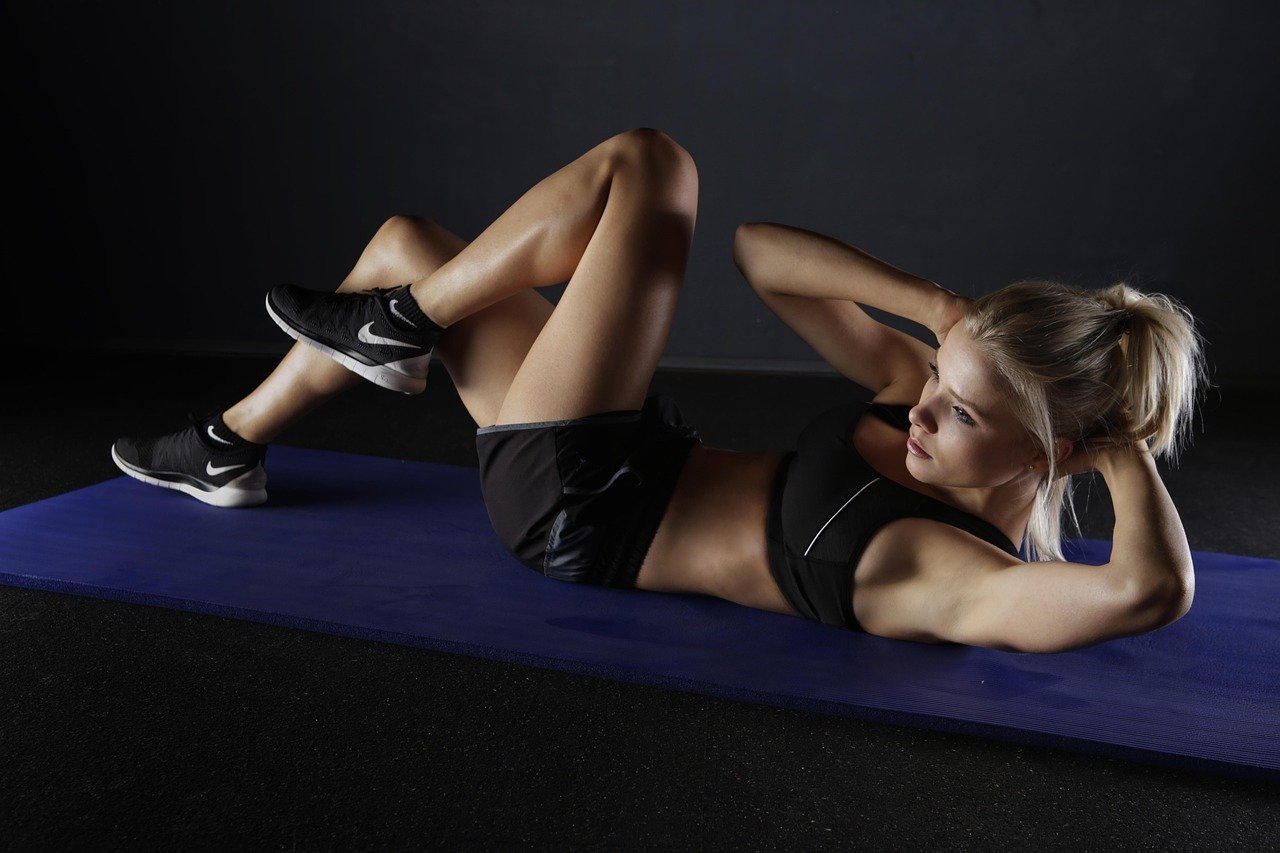
Embarking on a home fitness program is a fantastic way to prioritize your health and well-being without the constraints of gym memberships or rigid schedules. Whether you’re a seasoned athlete or just starting your fitness journey, a well-structured home workout routine can deliver impressive results. This guide provides a comprehensive overview of how to create and maintain an effective home fitness program tailored to your specific needs and goals.
Defining Your Fitness Goals
Identifying Your Objectives
Before diving into exercises, it’s crucial to clearly define your fitness objectives. Are you aiming for weight loss, muscle gain, improved cardiovascular health, increased flexibility, or a combination of these? Specific goals will shape your workout routine and dietary approach.
- Weight Loss: Focus on calorie deficit through diet and incorporate cardio and strength training.
- Muscle Gain: Emphasize strength training with progressive overload and ensure adequate protein intake.
- Improved Cardiovascular Health: Prioritize cardiovascular exercises like running, cycling, or swimming.
- Increased Flexibility: Incorporate stretching and yoga into your routine.
- Example: Instead of saying “I want to get in shape,” try “I want to lose 10 pounds and be able to run a 5k in three months.”
Assessing Your Current Fitness Level
Honest self-assessment is vital. Consider your current physical condition, any existing injuries, and your fitness experience. This will help you design a program that is challenging but safe.
- Beginner: Start with low-impact exercises and gradually increase intensity and duration.
- Intermediate: Incorporate more challenging exercises and increase workout frequency.
- Advanced: Focus on advanced techniques, heavy lifting, and high-intensity interval training (HIIT).
- Practical Tip: If you haven’t exercised regularly in a while, consult a physician before starting any new fitness program.
Creating Your Home Workout Plan
Choosing the Right Exercises
Select exercises that align with your goals and fitness level. A well-rounded program should include cardio, strength training, and flexibility exercises.
- Cardio: Jumping jacks, high knees, burpees, running in place, dancing.
- Strength Training: Squats, lunges, push-ups, planks, dumbbell rows, tricep dips.
- Flexibility: Stretching, yoga, Pilates.
- Example: A beginner’s workout might consist of 30 minutes of brisk walking, followed by bodyweight exercises like squats, lunges, and push-ups (modified on knees if needed).
Structuring Your Weekly Routine
Consistency is key. Create a structured weekly routine that fits into your schedule and allows for rest and recovery.
- Workout Frequency: Aim for at least 3-5 workouts per week.
- Rest Days: Incorporate 1-2 rest days per week to allow your body to recover.
- Workout Duration: Each workout session can last anywhere from 30 to 60 minutes, depending on your fitness level and goals.
- Sample Weekly Schedule:
- Monday: Strength Training (Upper Body)
- Tuesday: Cardio (30 minutes of jogging)
- Wednesday: Rest
- Thursday: Strength Training (Lower Body)
- Friday: Cardio (HIIT Workout)
- Saturday: Yoga/Stretching
- Sunday: Rest
Utilizing Available Resources
Take advantage of the wealth of online resources available to guide your workouts.
- Fitness Apps: Apps like Nike Training Club, Peloton, and FitBit offer guided workouts and progress tracking.
- YouTube Channels: Many fitness professionals offer free workout videos on YouTube. Search for channels that match your fitness level and interests.
- Online Communities: Join online fitness communities for support, motivation, and advice.
- Example: Search for “beginner bodyweight workout” on YouTube to find numerous videos that demonstrate proper form and technique.
Essential Home Workout Equipment (and Alternatives)
Basic Equipment for Beginners
You don’t need a fully equipped gym to get a great workout at home. Start with a few essential items.
- Yoga Mat: Provides cushioning and support during floor exercises.
- Resistance Bands: Versatile for adding resistance to various exercises.
- Dumbbells: Adjustable dumbbells are a good investment for progressive overload.
Creative Equipment Alternatives
If you don’t have access to traditional workout equipment, get creative with household items.
- Water Bottles/Canned Goods: Use as weights for bicep curls and shoulder presses.
- Stairs: Utilize stairs for cardio and leg exercises.
- Chair: Use for tricep dips and elevated push-ups.
- Practical Tip: Always prioritize safety and use proper form, regardless of the equipment you’re using.
Setting Up Your Workout Space
Designate a specific area in your home for your workouts. This helps create a dedicated space and minimizes distractions.
- Clear Obstacles: Ensure the area is free of clutter and potential hazards.
- Good Lighting: Proper lighting is essential for safety and motivation.
- Ventilation: Ensure good airflow to stay cool and comfortable during your workouts.
Staying Motivated and Consistent
Tracking Your Progress
Monitor your progress to stay motivated and make necessary adjustments to your program.
- Weight and Measurements: Track your weight and body measurements regularly.
- Workout Journal: Record your workouts, including exercises, sets, reps, and weight used.
- Progress Photos: Take photos periodically to visually track your progress.
- Example: Use a fitness tracking app or spreadsheet to monitor your workouts and progress over time.
Setting Realistic Goals
Avoid setting unrealistic goals that can lead to frustration and burnout.
- Start Small: Begin with achievable goals and gradually increase the challenge.
- Focus on Consistency: Prioritize consistency over intensity.
- Celebrate Milestones: Acknowledge and celebrate your achievements to stay motivated.
- Practical Tip: Set a weekly goal, such as completing four workouts, and reward yourself when you achieve it.
Making it Enjoyable
Find activities you genuinely enjoy to make your home fitness program sustainable.
- Variety: Mix up your workouts to prevent boredom.
- Music/Podcasts: Listen to upbeat music or motivational podcasts during your workouts.
- Workout Buddy: Partner with a friend or family member for mutual support and accountability.
- Example:* Try a dance fitness class online or create a playlist of your favorite workout songs.
Conclusion
Establishing a successful home fitness program requires dedication, planning, and consistency. By defining your goals, creating a structured workout routine, utilizing available resources, and staying motivated, you can achieve your fitness objectives from the comfort of your own home. Remember to listen to your body, prioritize safety, and celebrate your progress along the way. A healthier, fitter you is within reach!