A high-protein diet has gained immense popularity in recent years, lauded for its potential benefits in weight management, muscle building, and overall health. But what exactly constitutes a high-protein diet, and is it right for everyone? This comprehensive guide explores the intricacies of high-protein diets, providing you with the knowledge and tools to make informed decisions about your nutritional intake.
Understanding High-Protein Diets
What is a High-Protein Diet?
A high-protein diet is characterized by a higher proportion of protein intake compared to the standard dietary guidelines. While the Recommended Dietary Allowance (RDA) for protein is 0.8 grams per kilogram of body weight, a high-protein diet typically involves consuming 1.2 to 2.0 grams of protein per kilogram of body weight. This means that someone weighing 150 pounds (approximately 68 kg) might consume between 82 and 136 grams of protein daily on a high-protein diet.
Macronutrient Ratios in a High-Protein Diet
The increased protein intake in a high-protein diet usually comes at the expense of carbohydrates and, sometimes, fats. Common macronutrient ratios for a high-protein diet include:
- 40% Protein, 30% Carbohydrates, 30% Fat
- 35% Protein, 25% Carbohydrates, 40% Fat
The specific ratio can be adjusted based on individual goals, activity levels, and health conditions. It’s essential to consult with a healthcare professional or registered dietitian to determine the most appropriate ratio for your needs.
Benefits of a High-Protein Diet
A high-protein diet offers several potential benefits:
- Weight Management: Protein promotes satiety, helping you feel fuller for longer and reducing overall calorie intake. Studies show that high-protein diets can lead to greater weight loss compared to standard diets.
- Muscle Building and Preservation: Protein is essential for muscle repair and growth. Adequate protein intake, especially when combined with resistance training, supports muscle mass and strength gains. Even during weight loss, a high-protein diet helps preserve lean muscle tissue.
- Improved Blood Sugar Control: Protein can help stabilize blood sugar levels by slowing down the absorption of glucose. This can be particularly beneficial for individuals with insulin resistance or type 2 diabetes.
- Increased Metabolism: The body burns more calories digesting protein compared to carbohydrates or fats. This “thermic effect of food” can slightly increase your metabolic rate.
Food Sources for a High-Protein Diet
Animal-Based Protein Sources
Animal-based protein sources are generally considered “complete” proteins, meaning they contain all nine essential amino acids. Excellent sources include:
- Lean Meats: Chicken breast, turkey, lean beef, pork tenderloin.
- Fish: Salmon, tuna, cod, trout. Aim for at least two servings of fatty fish per week for omega-3 fatty acids.
- Eggs: Versatile and nutrient-dense, eggs are an excellent source of protein and choline.
- Dairy: Greek yogurt, cottage cheese, milk, cheese. Choose low-fat or non-fat options to minimize saturated fat intake.
Plant-Based Protein Sources
While some plant-based proteins are not “complete,” combining different sources can provide all essential amino acids. Great plant-based options include:
- Legumes: Beans (kidney, black, pinto), lentils, chickpeas.
- Tofu and Tempeh: Soy-based products that are versatile and can be used in various dishes.
- Quinoa: A complete protein source that is also a good source of fiber and iron.
- Nuts and Seeds: Almonds, walnuts, chia seeds, flax seeds. They also provide healthy fats and fiber.
- Protein Powders: Pea protein, brown rice protein, soy protein. A convenient option for increasing protein intake, especially for those with dietary restrictions.
Practical Tips for Incorporating Protein into Your Diet
- Plan your meals: Prepare a weekly meal plan focusing on protein-rich foods.
- Read nutrition labels: Pay attention to the protein content of packaged foods.
- Snack smartly: Choose protein-rich snacks like Greek yogurt, nuts, or hard-boiled eggs.
- Use protein supplements strategically: Consider protein powder if you struggle to meet your protein needs through whole foods alone.
Potential Risks and Considerations
Kidney Health
One common concern is the potential impact of a high-protein diet on kidney health. While research has generally shown that high-protein diets are safe for individuals with healthy kidneys, those with pre-existing kidney conditions should exercise caution and consult with a healthcare professional before adopting a high-protein diet.
Digestive Issues
Some individuals may experience digestive issues such as constipation or bloating when transitioning to a high-protein diet. This can often be mitigated by increasing fiber intake through fruits, vegetables, and whole grains, and ensuring adequate hydration.
Nutrient Deficiencies
If not carefully planned, a high-protein diet can lead to nutrient deficiencies, particularly if it restricts other food groups. It’s essential to ensure a balanced diet that includes a variety of fruits, vegetables, and whole grains to meet your micronutrient needs.
Individual Variability
Individual responses to a high-protein diet can vary. Factors such as age, activity level, health status, and genetics can influence how your body responds to increased protein intake. It’s important to listen to your body and adjust your diet as needed.
Who Should Avoid a High-Protein Diet?
While a high-protein diet can be beneficial for many, certain individuals should exercise caution or avoid it altogether:
- Individuals with Kidney Disease: As mentioned previously, those with pre-existing kidney conditions should consult a doctor before increasing protein intake.
- Pregnant or Breastfeeding Women: Protein needs are elevated during pregnancy and breastfeeding, but drastic dietary changes should be discussed with a healthcare provider.
- Individuals with Certain Metabolic Disorders: People with conditions like phenylketonuria (PKU) may need to carefully manage protein intake.
Sample High-Protein Meal Plan
This is a sample meal plan for a 1800-calorie high-protein diet. Adjust portion sizes based on your individual calorie and protein needs.
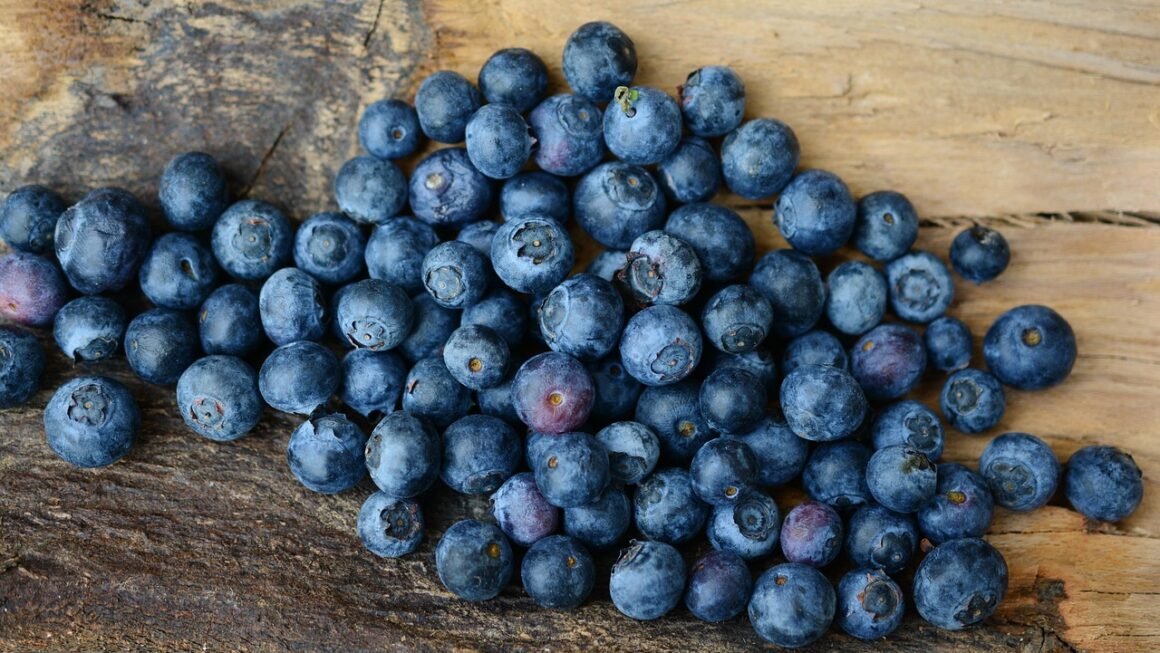
- Breakfast (400 calories, 30g protein): Greek yogurt with berries and a scoop of protein powder.
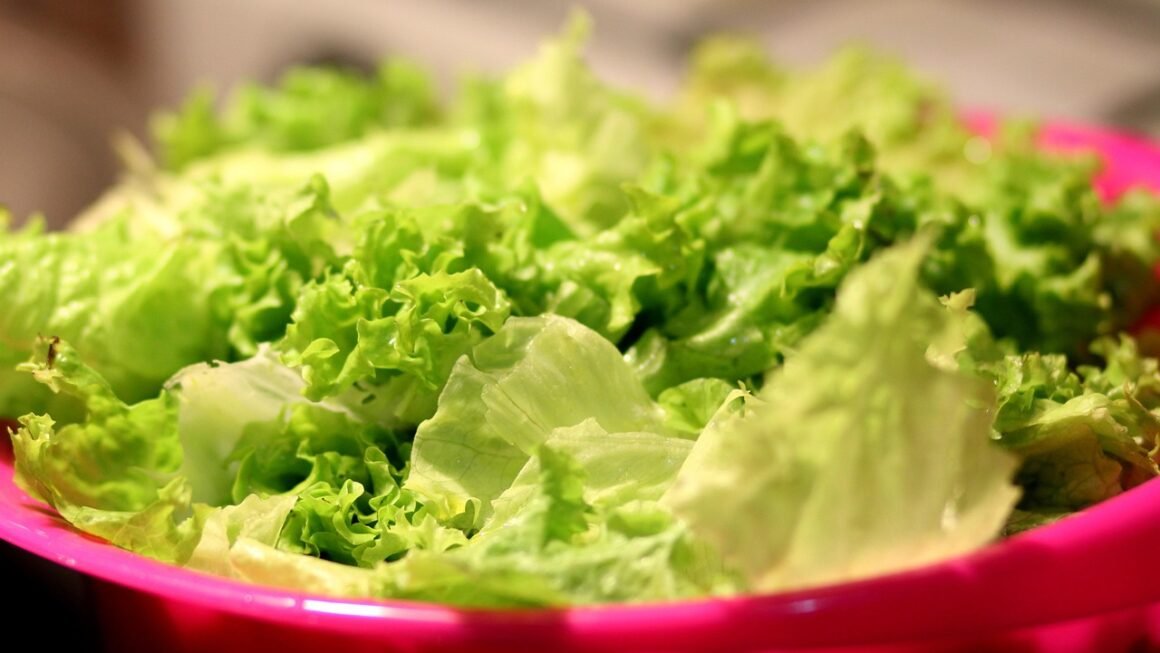
- Lunch (500 calories, 40g protein): Grilled chicken salad with mixed greens, vegetables, and a light vinaigrette dressing.
- Dinner (600 calories, 50g protein): Baked salmon with roasted vegetables (broccoli, carrots, bell peppers).
- Snacks (300 calories, 20g protein): Hard-boiled eggs, a handful of almonds, or a protein shake.
Conclusion
A high-protein diet can be an effective strategy for weight management, muscle building, and improving overall health. However, it’s crucial to understand the potential risks and benefits and to tailor the diet to your individual needs and health status. By focusing on whole, unprocessed protein sources, ensuring adequate fiber and micronutrient intake, and consulting with a healthcare professional or registered dietitian, you can reap the benefits of a high-protein diet while minimizing potential risks. Always prioritize a balanced and sustainable approach to nutrition for long-term health and well-being.