Looking to sculpt your physique, boost your fitness levels, and feel fantastic without shelling out for a gym membership? You’ve come to the right place! A bodyweight workout plan is a powerful and accessible way to achieve your fitness goals from the comfort of your own home. This comprehensive guide will walk you through everything you need to know to create an effective and sustainable bodyweight training routine, regardless of your current fitness level.
Understanding the Power of Bodyweight Training
Why Choose Bodyweight Exercises?
Bodyweight training utilizes your own body weight as resistance, making it a versatile and convenient workout option. It requires no specialized equipment and can be adapted to suit various fitness levels and goals. Here’s why it’s so effective:
- Accessibility: Train anywhere, anytime. No gym or equipment needed.
- Full-Body Engagement: Most exercises engage multiple muscle groups simultaneously.
- Functional Strength: Improves real-world strength and coordination.
- Reduced Injury Risk: Controlled movements and less reliance on heavy external weights can decrease the risk of injury (when performed with proper form).
- Scalability: Easily modified to increase or decrease difficulty.
- Cost-Effective: No gym fees or equipment costs.
Key Principles for Effective Bodyweight Workouts
To maximize the benefits of your bodyweight training, keep these principles in mind:
- Progressive Overload: Gradually increase the difficulty by adding reps, sets, or variations. For example, move from standard push-ups to incline push-ups or diamond push-ups.
- Proper Form: Prioritize correct technique over the number of repetitions. Focus on engaging the right muscles and maintaining proper alignment. Watch videos and practice in front of a mirror.
- Consistency: Aim for a regular workout schedule. Consistency is key to seeing results.
- Listen to Your Body: Rest and recover when needed. Don’t push through pain.
- Nutrition: Combine your workouts with a balanced diet to fuel your body and promote muscle growth.
Designing Your Bodyweight Workout Plan
Structuring Your Weekly Routine
The most effective bodyweight workout plans incorporate a variety of exercises targeting different muscle groups. Here’s a sample weekly structure:
- Monday: Upper Body (Push) – Chest, Shoulders, Triceps
- Tuesday: Lower Body – Quads, Hamstrings, Glutes, Calves
- Wednesday: Rest or Active Recovery (Light cardio, stretching)
- Thursday: Upper Body (Pull) – Back, Biceps
- Friday: Core & Full Body Conditioning
- Saturday: Rest or Active Recovery
- Sunday: Long rest
This is just a template; adjust it based on your schedule and preferences. Aim for 3-5 workouts per week for optimal results.
Selecting the Right Exercises
Choose exercises that align with your fitness level and goals. Here are some fundamental bodyweight exercises categorized by muscle group:
- Chest:
Push-ups (Variations: incline, decline, diamond, wide)
Dips (using chairs or a stable surface)
- Back:
Pull-ups (if you have access to a bar – start with assisted pull-ups if needed)
Inverted Rows (using a sturdy table or bar)
Superman’s
- Shoulders:
Pike Push-ups
Handstand Push-up progressions (against a wall)
- Triceps:
Close-Grip Push-ups
Tricep Dips
- Biceps:
Chin-ups (palms facing you)
Inverted Rows (with a focus on bicep engagement)
- Legs:
Squats (Variations: air squats, jump squats, pistol squats)
Lunges (Variations: forward, reverse, lateral)
Glute Bridges
Calf Raises
- Core:
Plank (Variations: forearm plank, side plank)
Crunches
Leg Raises
Russian Twists
Sample Workout Routine (Beginner)
This routine focuses on building a foundation of strength and endurance. Perform each exercise for the recommended repetitions (reps) and sets, with a short rest between sets (30-60 seconds).
- Warm-up: 5 minutes of light cardio (jumping jacks, high knees) and dynamic stretching (arm circles, leg swings)
- Workout:
Squats: 3 sets of 10-12 reps
Push-ups (on knees if needed): 3 sets of 8-10 reps
Lunges (each leg): 3 sets of 10-12 reps
Plank: 3 sets, holding for 30 seconds
Glute Bridges: 3 sets of 12-15 reps
- Cool-down: 5 minutes of static stretching (holding stretches for 30 seconds)
Progressing Your Bodyweight Training
Increasing the Difficulty
As you get stronger, you’ll need to challenge yourself to continue making progress. Here are some ways to increase the difficulty of your bodyweight exercises:
- Increase Reps and Sets: Gradually add more reps and sets to your workouts.
- Reduce Rest Time: Shorten the rest periods between sets to increase intensity.
- Modify Exercises: Try more challenging variations of the exercises. For example, progress from knee push-ups to full push-ups, or from regular squats to jump squats.
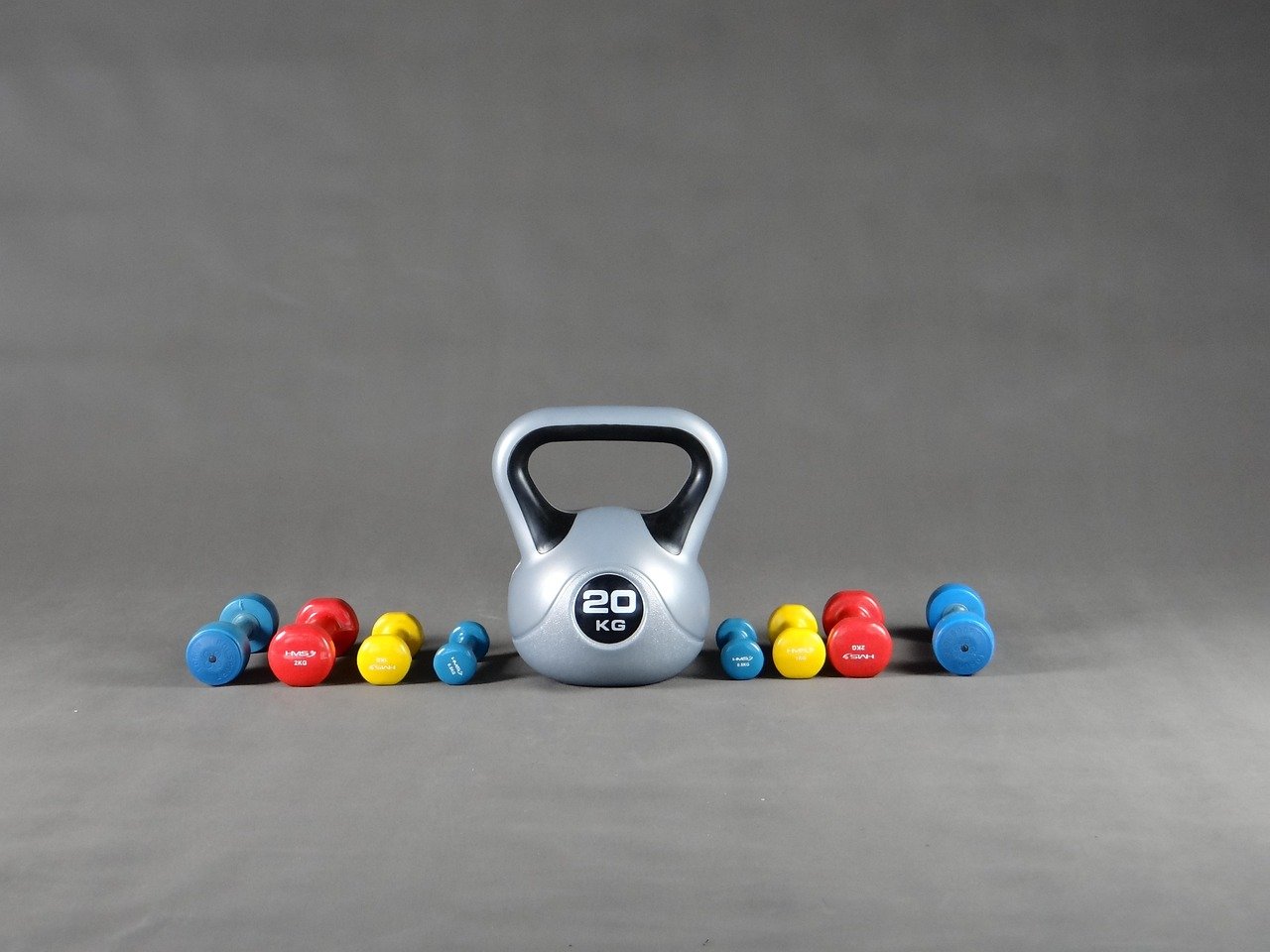
- Add Resistance: Use resistance bands or weights (dumbbells, kettlebells) to increase the load.
- Increase Time Under Tension: Slow down the tempo of your exercises, focusing on controlled movements.
Advanced Bodyweight Exercises
Once you’ve mastered the basics, you can explore more advanced bodyweight exercises that require greater strength, balance, and coordination:
- Pistol Squats (one-legged squats)
- Handstand Push-ups
- Muscle-ups (requires a pull-up bar)
- Human Flag (requires significant strength and balance)
- Plyometric Exercises (jump squats, burpees, box jumps)
Maintaining Motivation and Staying Consistent
Setting Realistic Goals
Set achievable goals to keep yourself motivated. Start with small, attainable milestones and gradually increase the challenge. For example, aim to do one more rep each week, or to hold your plank for a slightly longer duration.
Tracking Your Progress
Keep track of your workouts and monitor your progress. This will help you stay motivated and see how far you’ve come. You can use a workout journal, a fitness app, or a simple spreadsheet to record your exercises, reps, sets, and rest times.
Finding a Workout Buddy
Working out with a friend or family member can provide accountability and support. You can motivate each other, share tips, and make the workouts more enjoyable.
Varying Your Routine
Prevent boredom and plateaus by varying your routine. Try new exercises, experiment with different set and rep schemes, and incorporate different training styles (e.g., HIIT, circuit training).
Listen to Your Body
Rest and recovery are crucial for muscle growth and injury prevention. Don’t push yourself too hard, especially when you’re starting out. Listen to your body and take rest days when needed. Prioritize sleep, nutrition, and stress management to optimize your recovery.
Conclusion
A bodyweight workout plan is a fantastic way to improve your fitness, build strength, and achieve your goals without the need for expensive gym memberships or equipment. By understanding the principles of effective bodyweight training, designing a structured routine, and staying consistent, you can unlock your full potential and transform your body. Remember to focus on proper form, gradually increase the difficulty, and listen to your body. With dedication and perseverance, you’ll be well on your way to achieving a stronger, fitter, and healthier you!