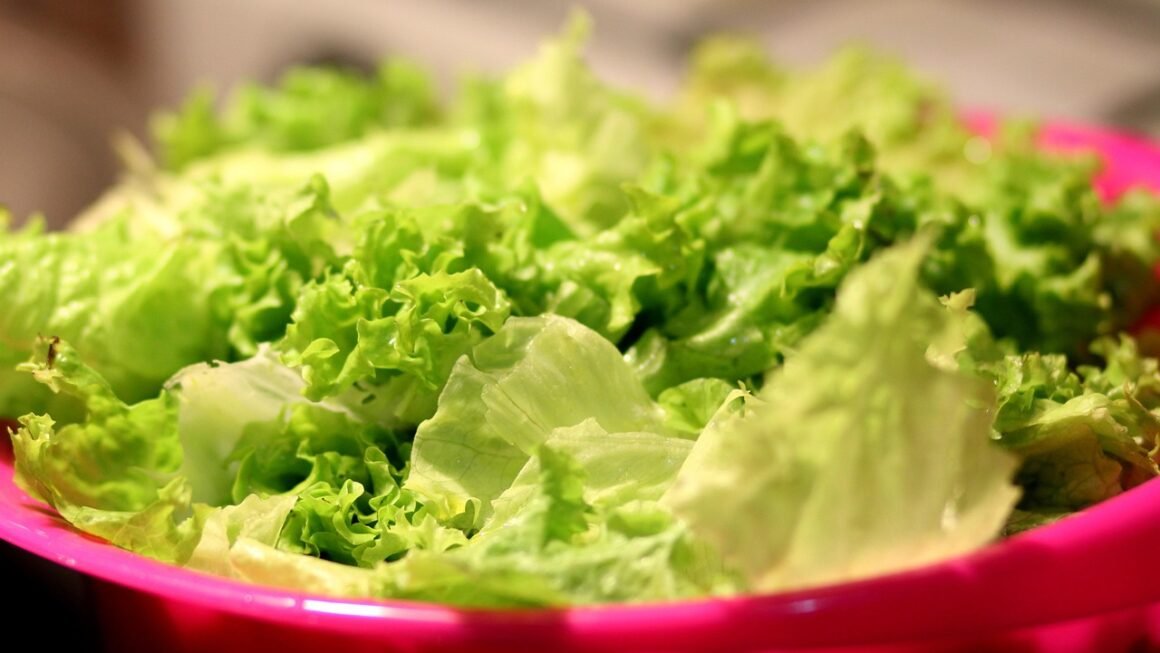
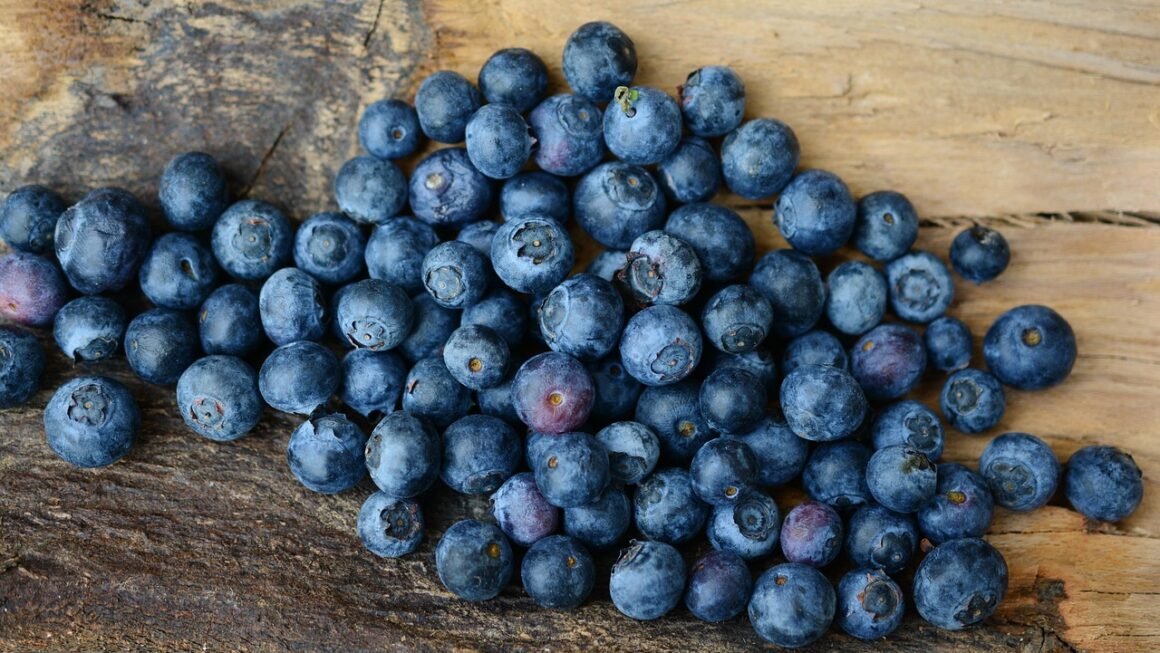
Controlling what you eat is only half the battle when it comes to maintaining a healthy weight and lifestyle. While focusing on food choices is important, mastering the art of portion control is the critical key to unlocking sustainable results. Learning to visually estimate portion sizes and understanding your body’s hunger cues can transform your relationship with food and empower you to achieve your health goals, without deprivation. Let’s delve into the essentials of portion control and how you can incorporate it into your daily life.
Understanding Portion Control
What is Portion Control?
Portion control is the practice of managing the amount of food you consume in a single sitting. It’s about being mindful of serving sizes and aligning your intake with your body’s needs. Unlike dieting, which often restricts certain foods, portion control focuses on how much you eat, allowing for a more balanced and sustainable approach to nutrition.
Why is Portion Control Important?
Ignoring portion sizes can easily lead to overeating, even with healthy foods. Consistently consuming more calories than you burn results in weight gain over time. Portion control offers several significant benefits:
- Weight Management: It helps you maintain a healthy weight by regulating calorie intake.
- Improved Digestion: Eating smaller portions can ease the digestive process.
- Increased Energy Levels: Avoiding large meals can prevent post-meal sluggishness.
- Reduced Risk of Chronic Diseases: Managing your weight through portion control can lower your risk of heart disease, type 2 diabetes, and certain cancers.
- Mindful Eating: Promotes a more conscious and appreciative relationship with food.
Practical Portion Control Techniques
Visual Cues: Using Everyday Objects
One of the easiest ways to practice portion control is by using everyday objects as visual guides. This helps you estimate serving sizes without needing to meticulously weigh or measure every meal.
- Palm of your hand: A serving of protein (meat, fish, poultry) should be about the size of your palm.
- Fist: A serving of vegetables or fruits should be roughly the size of your fist.
- Cupped hand: A serving of grains (rice, pasta) should fit in your cupped hand.
- Thumb: A serving of healthy fats (nuts, seeds, butter) should be about the size of your thumb.
Example: Instead of heaping your plate with pasta, use your cupped hand to measure out a single serving (about ½ cup cooked). Pair it with a portion of grilled chicken (palm-sized) and a generous serving of steamed broccoli (fist-sized).
Using Smaller Plates and Bowls
This is a simple yet effective psychological trick. Research shows that people tend to fill their plates regardless of the size. By using smaller plates and bowls, you’ll naturally serve yourself smaller portions without feeling deprived. A study published in the Journal of the Association for Consumer Research found that using smaller plates led to a 30% reduction in food consumption.
Actionable Tip: Switch your dinner plates for salad plates and your large bowls for smaller ones. You can always go back for more (if you truly need it), but you’ll likely find that the smaller portion is sufficient.
Pre-Portioning Meals and Snacks
Busy schedules often lead to impulsive food choices. Pre-portioning your meals and snacks can prevent overeating and ensure you’re consuming balanced portions throughout the day.
- Meal Prep: Dedicate time each week to prepare meals in advance, portioning them into individual containers.
- Snack Packs: Divide bulk snacks like nuts, seeds, or trail mix into small, resealable bags.
- Label and Date: Label each container with the contents and preparation date for easy tracking.
Example: Prepare a week’s worth of lunches consisting of a grilled chicken salad with pre-portioned dressing, or individual containers of overnight oats with berries and nuts.
Mindful Eating and Hunger Cues
Recognizing True Hunger
Often, we eat out of boredom, stress, or habit rather than true hunger. Learning to differentiate between emotional eating and physical hunger is crucial for effective portion control.
- Pay attention to your body: Notice the physical sensations of hunger, such as stomach grumbling or feeling empty.
- Rate your hunger: Use a scale of 1 to 10, where 1 is starving and 10 is overly full. Aim to eat when you’re around a 3 or 4 and stop when you’re around a 6 or 7.
- Avoid distractions: Turn off the TV and put away your phone while eating to focus on your meal.
Eating Slowly and Savoring Each Bite
It takes approximately 20 minutes for your brain to receive signals from your stomach that you’re full. Eating slowly allows your body to register fullness before you’ve overeaten.
- Chew thoroughly: Focus on the taste and texture of your food.
- Put your fork down between bites: This helps you pace yourself.
- Engage your senses: Appreciate the aroma, appearance, and flavors of your meal.
Navigating Restaurants and Social Gatherings
Making Smart Choices When Eating Out
Restaurants often serve oversized portions, making it challenging to practice portion control. However, with a few mindful strategies, you can enjoy dining out without derailing your health goals.
- Share an appetizer or entree: Split a meal with a friend or family member.
- Order an appetizer as your main course: Appetizers are typically smaller in portion size.
- Ask for a to-go box: Immediately set aside half of your meal for later.
- Choose healthier options: Opt for grilled, baked, or steamed dishes over fried or creamy options.
Handling Social Gatherings
Parties and social events can be tempting arenas for overeating. Be proactive and strategic to navigate these situations successfully.
- Eat a healthy snack beforehand: This can help curb your appetite and prevent overindulging.
- Survey the buffet: Before grabbing anything, take a walk around the buffet to see all the options. This helps you make informed choices.
- Use a small plate: Opt for a smaller plate to naturally limit your portion sizes.
- Focus on socializing: Shift your focus from the food to the company and conversation.
Long-Term Strategies for Success
Setting Realistic Goals
Consistency is key to achieving long-term success with portion control. Set realistic goals and celebrate small victories along the way.
- Start gradually: Begin by making small changes to your eating habits rather than drastically restricting your intake.
- Track your progress: Use a food journal or app to monitor your portions and calorie intake.
- Be patient: It takes time to develop new habits. Don’t get discouraged if you slip up occasionally.
Seeking Support
Having a support system can significantly increase your chances of success. Share your goals with friends, family, or a registered dietitian.
- Accountability partners: Find someone who shares your goals and can provide encouragement.
- Professional guidance: Consult with a registered dietitian for personalized advice and support.
- Online communities: Join online forums or groups where you can connect with others who are also working on portion control.
Conclusion
Portion control is a powerful tool for managing your weight, improving your health, and fostering a healthier relationship with food. By understanding serving sizes, practicing mindful eating, and implementing practical strategies, you can take control of your eating habits and achieve sustainable, long-term success. Remember to be patient with yourself, celebrate your progress, and seek support when needed. Mastering portion control isn’t just about restricting; it’s about empowering yourself to make informed choices and nourish your body in a balanced and sustainable way.