High blood pressure, also known as hypertension, affects millions worldwide and significantly increases the risk of heart disease, stroke, and kidney problems. While medication plays a crucial role in managing hypertension, dietary changes can be a powerful tool in lowering blood pressure and improving overall health. Adopting a heart-healthy diet is not just about cutting out certain foods; it’s about embracing a holistic approach that incorporates nutrient-rich options designed to optimize your cardiovascular well-being. Let’s delve into the specific dietary strategies that can help you take control of your blood pressure.
The DASH Diet: A Cornerstone for Blood Pressure Management
The Dietary Approaches to Stop Hypertension (DASH) diet is consistently recommended by healthcare professionals for its effectiveness in lowering blood pressure. It emphasizes whole, unprocessed foods while limiting sodium, saturated fat, and cholesterol.
What is the DASH Diet?
- The DASH diet focuses on:
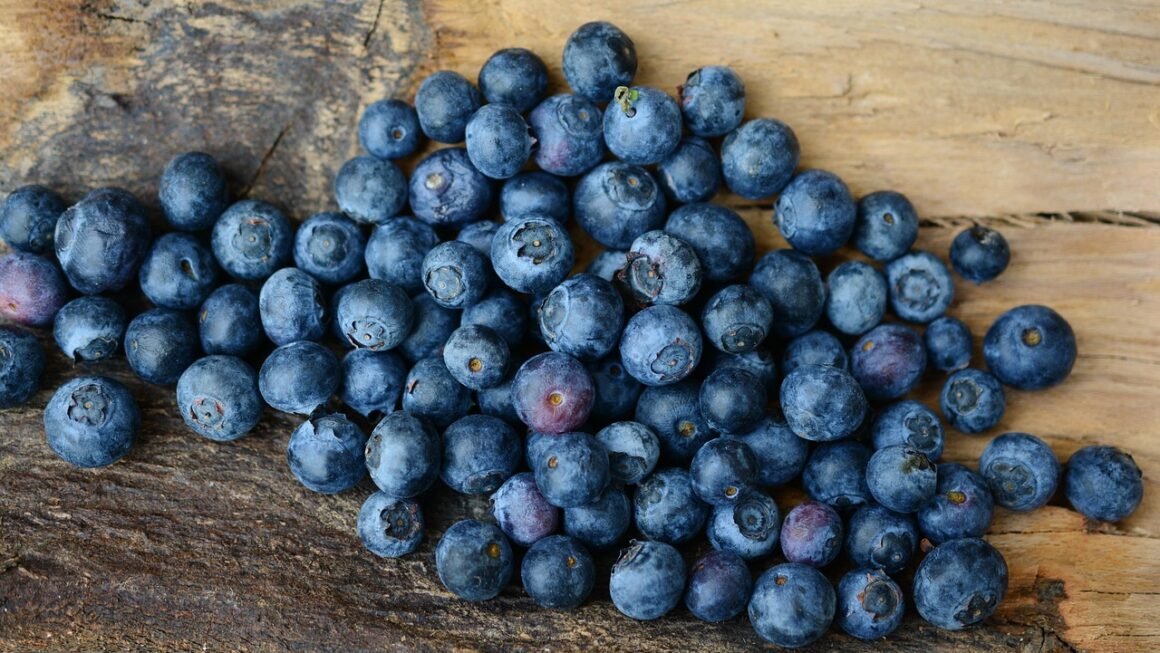
Fruits
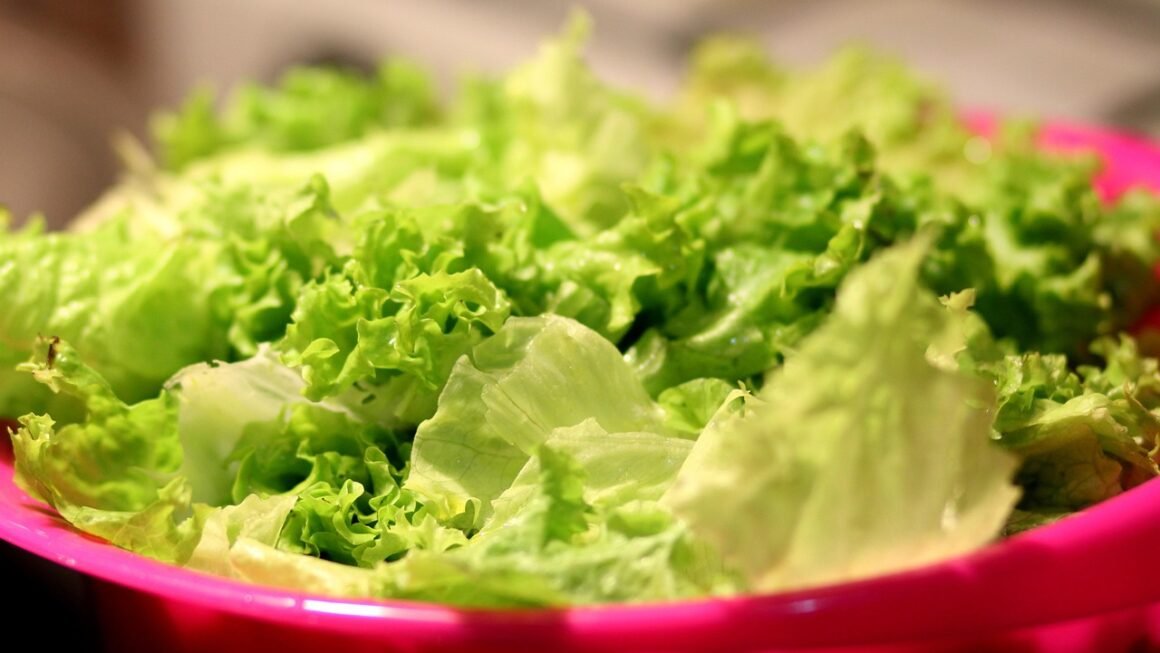
Vegetables
Whole grains
Lean protein (fish, poultry, beans)
Low-fat dairy products
- It limits:
Red meat
Sweets
Sugar-sweetened beverages
Benefits of the DASH Diet
- Significantly lowers systolic and diastolic blood pressure. Studies show that the DASH diet can lower systolic blood pressure by 8-14 mmHg.
- Improves cholesterol levels.
- Reduces the risk of heart disease and stroke.
- Helps with weight management.
- Provides essential nutrients for overall health.
Practical Tips for Following the DASH Diet
- Gradually increase your intake of fruits and vegetables. Aim for at least 4-5 servings of each per day. For example, add a handful of berries to your breakfast cereal or a side salad to your lunch.
- Choose whole grains over refined grains. Opt for brown rice, whole-wheat bread, and oatmeal instead of white rice, white bread, and sugary cereals.
- Select lean protein sources. Include fish (salmon, tuna), poultry (chicken breast), beans, and lentils in your diet.
- Use low-fat or fat-free dairy products. Choose skim milk, yogurt, and cheese.
- Limit saturated and trans fats. Avoid fried foods, processed snacks, and fatty cuts of meat.
Reducing Sodium Intake: A Critical Step
Sodium plays a significant role in regulating blood pressure. Excessive sodium intake can lead to fluid retention, increasing blood volume and subsequently elevating blood pressure.
Understanding Sodium’s Impact
- The American Heart Association recommends limiting sodium intake to no more than 2,300 milligrams per day for most adults and ideally reducing it to 1,500 mg per day.
- Processed foods are a major source of sodium in the typical American diet. Approximately 70% of sodium comes from processed, packaged, and restaurant foods.
Practical Strategies for Lowering Sodium
- Read food labels carefully and choose low-sodium or no-salt-added options.
- Cook at home more often to control sodium levels.
- Use herbs, spices, and lemon juice to flavor your food instead of salt.
- Avoid processed foods such as canned soups, frozen meals, and processed meats.
- When eating out, ask for your food to be prepared without added salt.
- Be mindful of condiments like soy sauce, ketchup, and salad dressings, which can be high in sodium.
Hidden Sources of Sodium
- Breads and rolls
- Pizza
- Sandwiches
- Cold cuts and cured meats
- Soups
- Burritos and tacos
- Poultry
The Power of Potassium
Potassium helps to balance sodium levels in the body and plays a vital role in maintaining healthy blood pressure. Increasing potassium intake can counteract the effects of sodium and promote vasodilation (widening of blood vessels).
Why Potassium Matters
- Potassium helps to excrete sodium from the body through urine.
- It helps blood vessels relax, which lowers blood pressure.
Food Sources Rich in Potassium
- Bananas
- Sweet potatoes
- Spinach
- Avocados
- Beans (kidney, white, lima)
- Tomatoes
- Dried apricots
- Cantaloupe
- Beet greens
Integrating Potassium into Your Diet
- Add a banana to your morning oatmeal.
- Include spinach or kale in your salads and smoothies.
- Roast sweet potatoes as a healthy side dish.
- Snack on dried apricots for a potassium boost.
Limiting Alcohol and Caffeine Consumption
While moderate consumption of some alcoholic beverages has been linked to some health benefits, excessive alcohol and caffeine intake can negatively impact blood pressure.
Alcohol and Blood Pressure
- Excessive alcohol consumption can raise blood pressure. It is recommended to limit alcohol intake to one drink per day for women and two drinks per day for men.
- Alcohol can interact with blood pressure medications, so it’s essential to discuss your alcohol consumption with your doctor.
Caffeine and Blood Pressure
- Caffeine can cause a temporary spike in blood pressure.
- Individuals respond differently to caffeine, so it’s important to monitor your blood pressure after consuming caffeinated beverages to see how it affects you.
- If you are sensitive to caffeine, consider switching to decaffeinated options.
Practical Tips for Managing Alcohol and Caffeine
- Track your alcohol consumption to ensure you are staying within recommended limits.
- Be mindful of the caffeine content in coffee, tea, energy drinks, and soda.
- Consider switching to herbal teas or water to reduce caffeine intake.
- If you have high blood pressure, consult your doctor about safe levels of alcohol and caffeine consumption.
Other Important Dietary Considerations
Beyond the DASH diet, sodium, potassium, alcohol, and caffeine, other dietary factors can influence blood pressure.
Magnesium
- Magnesium plays a role in regulating blood pressure by helping blood vessels relax.
- Good sources of magnesium include leafy green vegetables, nuts, seeds, whole grains, and legumes.
Calcium
- Calcium is essential for maintaining healthy blood pressure.
- Dairy products, leafy green vegetables, and fortified foods are good sources of calcium.
Fiber
- A high-fiber diet can help lower blood pressure by promoting healthy cholesterol levels and aiding in weight management.
- Good sources of fiber include fruits, vegetables, whole grains, and legumes.
Omega-3 Fatty Acids
- Omega-3 fatty acids, found in fatty fish like salmon, tuna, and mackerel, have been shown to lower blood pressure and reduce the risk of heart disease.
Practical Tips for Incorporating these Nutrients
- Snack on almonds or walnuts for a magnesium boost.
- Add spinach to your omelets or salads.
- Choose whole-wheat bread over white bread for added fiber.
- Include fatty fish in your diet at least twice a week.
Conclusion
Making dietary changes is a powerful way to manage and lower high blood pressure. By adopting the DASH diet, reducing sodium intake, increasing potassium, limiting alcohol and caffeine, and incorporating other essential nutrients, you can significantly improve your cardiovascular health. Remember to consult with your doctor or a registered dietitian to develop a personalized dietary plan that meets your specific needs and health goals. Small, consistent changes can make a big difference in achieving and maintaining healthy blood pressure levels. Start today to take control of your health and live a longer, healthier life.