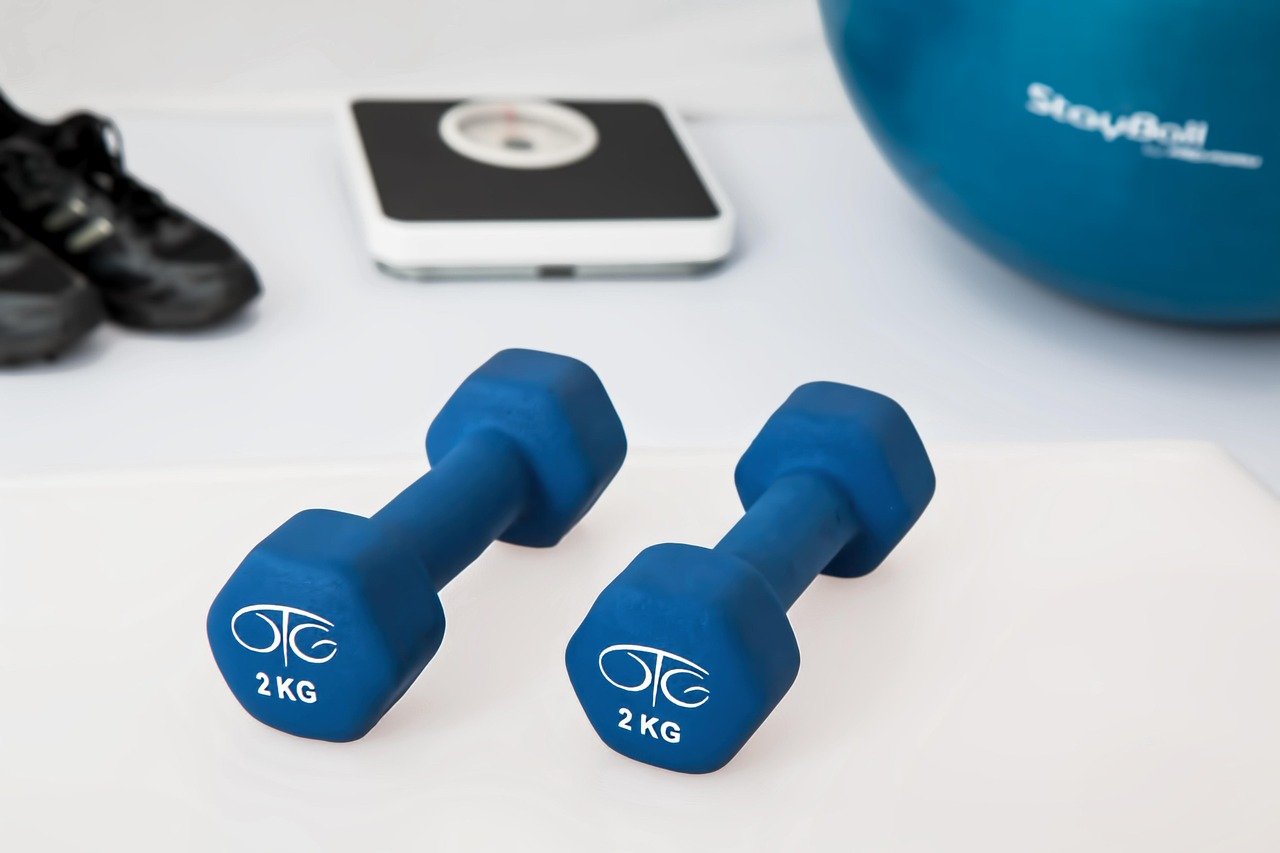
Losing weight and achieving a healthier lifestyle is a journey many embark on. It’s not just about fitting into a certain dress size; it’s about feeling better, having more energy, and improving overall well-being. Creating a sustainable and effective weight loss routine requires a holistic approach encompassing diet, exercise, and mindful habits. This blog post will guide you through creating a personalized weight loss routine that suits your lifestyle and helps you achieve your goals.
Understanding Your Body and Setting Realistic Goals
Assessing Your Current State
Before diving into a weight loss routine, it’s crucial to understand your current health status. This involves:
- Consulting a Healthcare Professional: Schedule a visit with your doctor to discuss your weight loss goals and rule out any underlying health conditions that may affect your routine.
- Tracking Your Baseline: Record your current weight, measurements (waist, hips, thighs), and body fat percentage if possible. This provides a baseline for tracking your progress.
- Analyzing Your Diet and Lifestyle: Keep a food diary for a week to understand your eating habits and identify areas for improvement. Note your activity levels and stress levels as well.
Setting SMART Goals
SMART goals are Specific, Measurable, Achievable, Relevant, and Time-bound. Examples include:
- Specific: “I want to lose 1-2 pounds per week.”
- Measurable: “I will weigh myself every week to track my progress.”
- Achievable: “I will start by walking 30 minutes, 3 times a week.”
- Relevant: “Losing weight will improve my energy levels and reduce my risk of chronic diseases.”
- Time-Bound: “I will achieve my goal weight within 6 months.”
According to the CDC, losing 1-2 pounds per week is a healthy and sustainable rate for most individuals. Remember that consistency is key; small, sustainable changes are more effective than drastic measures.
Nutrition: Fueling Your Body for Weight Loss
Creating a Calorie Deficit
Weight loss primarily relies on creating a calorie deficit, meaning you burn more calories than you consume. This can be achieved through:
- Tracking Calorie Intake: Use a food tracking app or website to monitor your daily calorie consumption.
- Prioritizing Whole Foods: Focus on consuming nutrient-dense foods such as fruits, vegetables, lean proteins, and whole grains.
- Controlling Portion Sizes: Be mindful of serving sizes to avoid overeating. Use smaller plates and measure your food if needed.
For example, replacing sugary drinks with water or unsweetened tea can significantly reduce your calorie intake without sacrificing volume. Swapping processed snacks with fruits and vegetables offers essential nutrients and fiber, keeping you feeling full for longer.
Macronutrient Balance
Understanding macronutrients (protein, carbohydrates, and fats) is crucial for a balanced diet:
- Protein: Aim for 0.8-1 gram of protein per pound of body weight. Protein promotes satiety, helps preserve muscle mass during weight loss, and aids in muscle repair. Good sources include lean meats, poultry, fish, beans, lentils, and tofu.
- Carbohydrates: Choose complex carbohydrates like whole grains, fruits, and vegetables over refined carbohydrates (white bread, pasta, sugary cereals). Complex carbs provide sustained energy and fiber.
- Fats: Include healthy fats from sources like avocados, nuts, seeds, and olive oil. Healthy fats are essential for hormone production and nutrient absorption.
A common macronutrient ratio for weight loss is 40% carbohydrates, 30% protein, and 30% fats. However, this can vary depending on individual needs and preferences.
Hydration and Meal Timing
- Hydration: Drink plenty of water throughout the day. Water helps boost metabolism, suppress appetite, and prevent dehydration. Aim for at least 8 glasses of water per day.
- Meal Timing: Eating regular meals and snacks throughout the day can help regulate blood sugar levels and prevent overeating. Avoid skipping meals, especially breakfast.
Consider incorporating high-fiber foods into your meals, such as oats, brown rice, and leafy greens, to promote fullness and aid in digestion.
Exercise: Burning Calories and Building Muscle
Cardio for Calorie Burning
Cardiovascular exercise, often referred to as “cardio,” is essential for burning calories and improving cardiovascular health.
- Types of Cardio: Choose activities you enjoy, such as walking, running, cycling, swimming, or dancing.
- Frequency and Intensity: Aim for at least 150 minutes of moderate-intensity cardio or 75 minutes of vigorous-intensity cardio per week, as recommended by the American Heart Association.
- Interval Training: Incorporate interval training (alternating between high-intensity bursts and periods of rest) to maximize calorie burn.
For example, you could start with brisk walking for 30 minutes, 3 times a week. Gradually increase the duration and intensity as you become more fit. High-intensity interval training (HIIT) can be a great option for those with limited time.
Strength Training for Muscle Building
Strength training is crucial for building muscle mass, which helps boost your metabolism and burn more calories at rest.
- Types of Strength Training: Use weights, resistance bands, or bodyweight exercises to work all major muscle groups (legs, back, chest, shoulders, arms).
- Frequency and Intensity: Aim for 2-3 strength training sessions per week, with at least one day of rest between sessions.
- Proper Form: Focus on proper form to prevent injuries. Consider working with a certified personal trainer to learn correct techniques.
Examples of strength training exercises include squats, lunges, push-ups, rows, and planks. Start with lighter weights and higher repetitions, gradually increasing the weight as you get stronger.
Combining Cardio and Strength Training
Combining cardio and strength training provides a well-rounded approach to weight loss.
- Schedule: Alternate between cardio and strength training days or combine both into one workout.
- Benefits: This approach helps burn calories, build muscle, improve cardiovascular health, and increase overall fitness.
Consider incorporating activities you enjoy into your routine. This will make it easier to stick to your plan in the long run.
Mindful Habits: Cultivating a Healthy Lifestyle
Stress Management
Chronic stress can lead to increased cortisol levels, which can promote weight gain, especially around the abdomen.
- Stress-Reducing Activities: Practice stress-reducing activities such as yoga, meditation, deep breathing exercises, or spending time in nature.
- Adequate Sleep: Aim for 7-9 hours of quality sleep per night. Sleep deprivation can disrupt hormones that regulate appetite and metabolism.
According to studies, people who get enough sleep tend to have lower body mass indexes (BMIs) compared to those who are sleep-deprived.
Mindful Eating
Mindful eating involves paying attention to your food, your body’s hunger cues, and your emotions related to eating.
- Eat Slowly: Take your time and savor each bite.
- Minimize Distractions: Avoid eating in front of the TV or while using your phone.
- Listen to Your Body: Eat when you’re hungry and stop when you’re full.
Practicing mindful eating can help you become more aware of your eating habits and prevent overeating.
Tracking Progress and Staying Motivated
- Regular Weigh-ins: Weigh yourself regularly (once a week) to track your progress.
- Journaling: Keep a journal to record your workouts, meals, and feelings.
- Celebrate Milestones: Acknowledge and celebrate your achievements, no matter how small.
- Seek Support: Enlist the support of friends, family, or a support group to stay motivated.
Remember that setbacks are normal. Don’t get discouraged if you have a bad day or week. Just get back on track and keep moving forward.
Conclusion
Creating a successful weight loss routine is a journey that requires dedication, patience, and consistency. By understanding your body, setting realistic goals, focusing on nutrition, incorporating exercise, and cultivating mindful habits, you can achieve your weight loss goals and improve your overall health and well-being. Remember to consult with healthcare professionals and adjust your routine as needed to fit your individual needs and preferences. Embrace the process, celebrate your progress, and enjoy the journey to a healthier you.