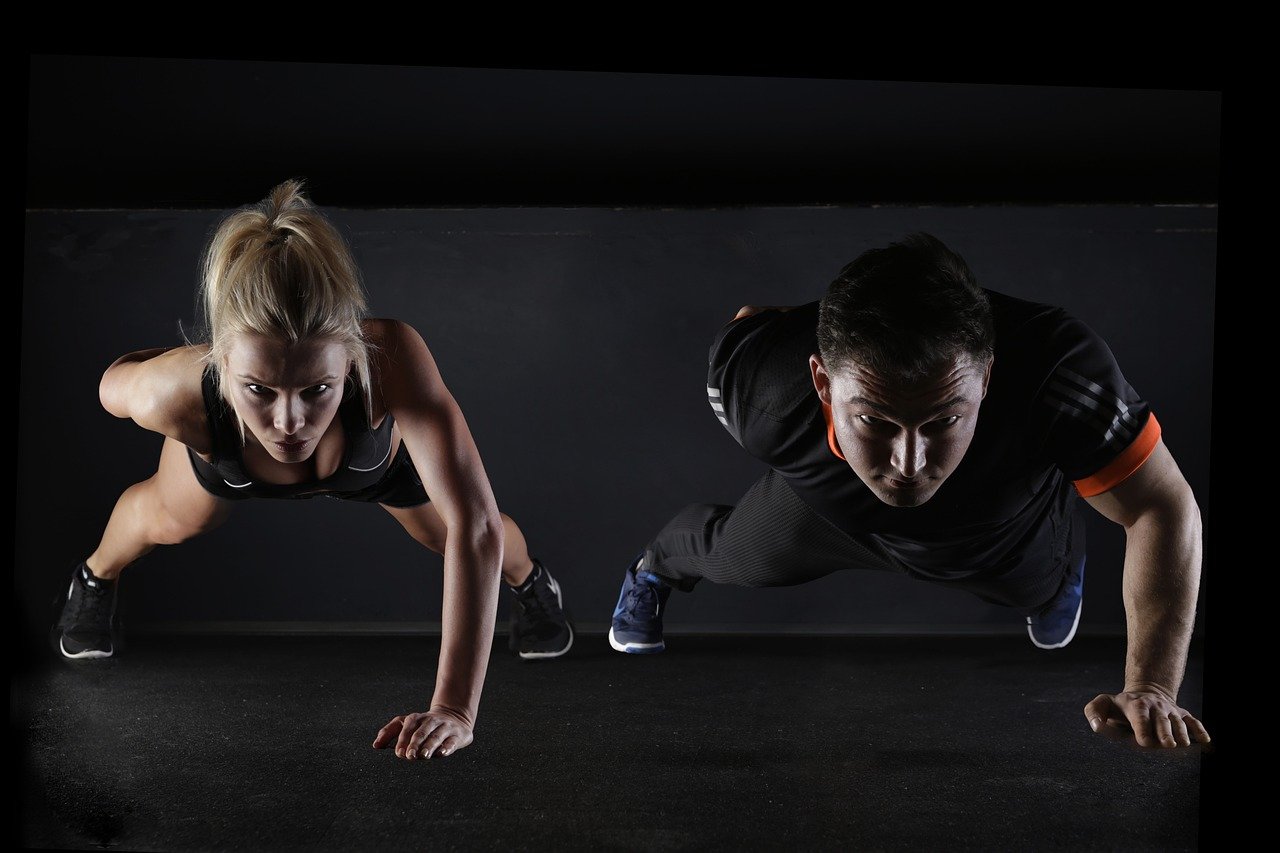
Body composition is more than just a number on a scale; it’s a deep dive into what makes up your weight, offering invaluable insights into your overall health and fitness level. Understanding your body composition empowers you to make informed decisions about your nutrition and exercise, leading to a healthier and more fulfilling life. Forget just chasing a number – let’s uncover the secrets hidden within your body’s makeup.
What is Body Composition?
Defining Body Composition
Body composition refers to the proportion of fat mass and fat-free mass in your body. Fat mass includes all the fat in your body, while fat-free mass includes bone, muscle, water, and organs. Unlike Body Mass Index (BMI), which only considers height and weight, body composition provides a more accurate assessment of health by differentiating between fat and muscle.
Why Body Composition Matters
Understanding your body composition is crucial because it offers a more detailed and accurate picture of your health than weight alone. For example, two individuals may weigh the same, but one might have a higher percentage of muscle mass and lower body fat, indicating a healthier profile.
- Health Risks: Higher levels of body fat, especially visceral fat (fat around the organs), are associated with an increased risk of chronic diseases such as heart disease, type 2 diabetes, and certain cancers.
- Performance: Knowing your muscle mass can help optimize training programs and improve athletic performance.
- Metabolic Rate: Muscle tissue burns more calories at rest than fat tissue. Increasing muscle mass can boost your metabolism and help with weight management.
- Overall Well-being: Optimizing body composition can lead to increased energy levels, improved mood, and better overall health.
Examples of Healthy Body Fat Percentages
While ideal body fat percentages vary based on age, sex, and activity level, here are some general guidelines:
- Men:
Essential Fat: 2-5%
Athletes: 6-13%
Fitness: 14-17%
Acceptable: 18-24%
Obese: 25% and higher
- Women:
Essential Fat: 10-13%
Athletes: 14-20%
Fitness: 21-24%
Acceptable: 25-31%
Obese: 32% and higher
It’s important to consult with a healthcare professional or certified personal trainer to determine what’s healthy for you.
Methods for Measuring Body Composition
Skinfold Calipers
Skinfold calipers measure the thickness of subcutaneous fat (fat under the skin) at specific sites on the body. A trained professional uses the calipers to pinch the skin and fat and then measures the thickness using the device. These measurements are then plugged into an equation to estimate body fat percentage.
- Pros: Relatively inexpensive and portable.
- Cons: Accuracy depends on the skill of the technician and the specific equations used.
Bioelectrical Impedance Analysis (BIA)
BIA devices send a small electrical current through the body and measure the impedance, or resistance, to that current. Since fat tissue has higher resistance than muscle tissue, the BIA device can estimate body fat percentage based on the impedance measurement. BIA devices range from simple scales to handheld devices.
- Pros: Convenient and relatively affordable. Many scales include BIA functionality.
- Cons: Accuracy can be affected by hydration levels, food intake, and recent exercise. It is best to follow the device’s instructions closely and measure under consistent conditions.
Hydrostatic Weighing (Underwater Weighing)
Hydrostatic weighing involves being weighed while completely submerged in water. This method relies on Archimedes’ principle, which states that the volume of water displaced is equal to the volume of the object submerged. Fat is less dense than water, so a person with more body fat will weigh less underwater.
- Pros: Considered a very accurate method.
- Cons: Can be expensive and requires specialized equipment and trained personnel. Also, many people find it uncomfortable.
Air Displacement Plethysmography (Bod Pod)
The Bod Pod measures body volume by using air displacement. You sit inside a small chamber, and the device measures the amount of air displaced to determine your body volume. This information, along with your weight, is used to calculate body density and estimate body fat percentage.
- Pros: Accurate, quick, and non-invasive.
- Cons: Can be expensive and not widely available.
Dual-Energy X-ray Absorptiometry (DEXA Scan)
DEXA scans use low-dose X-rays to measure bone density, fat mass, and lean mass. This method is often considered the gold standard for body composition analysis due to its accuracy and precision.
- Pros: Highly accurate and provides detailed information about body composition.
- Cons: Can be expensive and requires specialized equipment and trained personnel. Involves exposure to low levels of radiation.
Factors Affecting Body Composition
Diet
Your diet plays a crucial role in determining your body composition. Consuming a balanced diet with adequate protein, carbohydrates, and healthy fats is essential for building and maintaining muscle mass and managing body fat.
- Protein: Adequate protein intake is crucial for muscle growth and repair. Aim for 0.8-1.0 grams of protein per pound of body weight, especially if you are actively trying to build muscle. Examples include lean meats, poultry, fish, eggs, and beans.
- Carbohydrates: Carbohydrates provide energy for workouts and daily activities. Choose complex carbohydrates, such as whole grains, fruits, and vegetables, over simple sugars and processed foods.
- Healthy Fats: Healthy fats, such as those found in avocados, nuts, seeds, and olive oil, are important for hormone production and overall health.
Exercise
Both strength training and cardiovascular exercise are important for optimizing body composition.
- Strength Training: Strength training helps build muscle mass, which can increase your metabolism and help you burn more calories at rest. Aim for at least two to three strength training sessions per week, focusing on compound exercises that work multiple muscle groups simultaneously (squats, deadlifts, bench press).
- Cardiovascular Exercise: Cardiovascular exercise helps burn calories and reduce body fat. Aim for at least 150 minutes of moderate-intensity or 75 minutes of vigorous-intensity aerobic activity per week. Examples include running, cycling, swimming, and brisk walking.
Genetics
Genetics can influence your body composition to some extent. Some people may be genetically predisposed to have more muscle mass or a faster metabolism than others. However, lifestyle factors such as diet and exercise play a much larger role.
Age
As you age, you naturally lose muscle mass and tend to gain body fat. This process, known as sarcopenia, can lead to a decrease in metabolism and an increased risk of chronic diseases. Maintaining a healthy diet and staying physically active can help mitigate these age-related changes. Strength training is particularly important for preserving muscle mass as you age.
Hormones
Hormones play a significant role in regulating body composition. For example:
- Testosterone: Promotes muscle growth and reduces body fat.
- Estrogen: Influences fat distribution in women.
- Cortisol: A stress hormone that can promote fat storage.
Hormonal imbalances can impact body composition. Consult with a healthcare professional if you suspect you have a hormonal imbalance.
Strategies for Improving Body Composition
Set Realistic Goals
Set realistic and achievable goals for improving your body composition. Aim for gradual changes rather than drastic measures. For example, aim to lose 1-2 pounds of body fat per week or gain 0.5-1 pound of muscle mass per month.
Focus on Nutrient-Dense Foods
Prioritize nutrient-dense foods, such as fruits, vegetables, whole grains, lean protein sources, and healthy fats. These foods provide essential vitamins, minerals, and antioxidants without excess calories.
- Example: Swap processed snacks for fruits and vegetables with hummus.
Track Your Progress
Monitor your body composition regularly using one of the methods described above. Tracking your progress can help you stay motivated and make adjustments to your diet and exercise plan as needed.
Stay Consistent
Consistency is key to achieving long-term success in improving body composition. Stick to your diet and exercise plan as consistently as possible, even when you encounter challenges or setbacks.
Seek Professional Guidance
Consider working with a registered dietitian or certified personal trainer to develop a personalized plan for improving your body composition. They can provide guidance, support, and accountability to help you reach your goals.
- Example: A personal trainer can create a customized strength training program to help you build muscle and lose fat.
Conclusion
Understanding and optimizing your body composition is a journey towards improved health, fitness, and overall well-being. By focusing on a balanced diet, regular exercise, and consistent monitoring, you can achieve a healthier body composition and enjoy a more active and fulfilling life. Remember that it’s not just about the number on the scale, but about the ratio of muscle to fat. Strive for progress, not perfection, and celebrate your successes along the way.