Navigating the world of intermittent fasting can feel overwhelming, with so many different approaches to choose from. One of the more intense, yet potentially highly rewarding, variations is the 20:4 fasting method, often referred to as the “Warrior Diet” or a similar, less defined approach. This involves fasting for 20 hours a day and consuming all your daily calories within a 4-hour eating window. While it might sound extreme, understanding the principles and potential benefits can help you decide if 20:4 fasting is the right fit for your health goals.
Understanding the 20:4 Fasting Method
What is 20:4 Fasting?
The 20:4 fasting diet is a type of intermittent fasting (IF) where you restrict your eating window to just four hours per day and fast for the remaining 20 hours. This extended fasting period is believed to induce several metabolic benefits, including improved insulin sensitivity and cellular repair through autophagy.
- The Basics: Fast for 20 hours, eat within a 4-hour window.
- Flexibility: The timing of your eating window can be adjusted to fit your schedule.
- Focus on Whole Foods: During your eating window, prioritize nutrient-dense, whole foods.
How Does it Work?
The effectiveness of 20:4 fasting lies in the metabolic changes that occur during prolonged fasting. When you abstain from food for an extended period, your body depletes its glycogen stores and starts burning fat for energy. This process, known as ketogenesis, can lead to weight loss and other health benefits.
- Glycogen Depletion: After about 12 hours of fasting, your body starts using stored glycogen.
- Fat Burning: Once glycogen is depleted, your body switches to burning fat for fuel.
- Autophagy: This cellular “cleanup” process increases during fasting, removing damaged cells and promoting regeneration. Studies suggest that autophagy is enhanced during periods of nutrient deprivation.
Potential Benefits
20:4 fasting offers a range of potential health benefits, though it’s important to remember that individual results can vary.
- Weight Loss: By restricting your eating window, you’re likely to consume fewer calories overall, leading to weight loss.
- Improved Insulin Sensitivity: Fasting can help improve your body’s response to insulin, reducing the risk of type 2 diabetes.
- Enhanced Brain Function: Some studies suggest that intermittent fasting can improve cognitive function and protect against neurodegenerative diseases.
- Reduced Inflammation: Fasting can help reduce inflammation in the body, which is linked to various chronic diseases.
- Cellular Repair: As mentioned earlier, autophagy is believed to be boosted during extended fasting periods.
Getting Started with 20:4 Fasting
Planning Your Eating Window
Choosing the right time for your 4-hour eating window is crucial for success. Consider your lifestyle, schedule, and personal preferences.
- Evening Window: Some people find it easiest to eat in the evening, allowing them to enjoy dinner with family and friends. (e.g., 6 PM – 10 PM)
- Midday Window: Others prefer a midday eating window, which can provide sustained energy throughout the afternoon. (e.g., 12 PM – 4 PM)
- Consistency is Key: Try to stick to the same eating window each day to help regulate your body’s natural rhythms.
What to Eat During Your Eating Window
What you eat during your 4-hour window is just as important as when you eat. Focus on nutrient-dense, whole foods to fuel your body and maximize the benefits of fasting.
- Prioritize Protein: Include lean protein sources like chicken, fish, beans, or lentils to help maintain muscle mass. For example, a meal of grilled chicken breast with quinoa and steamed vegetables.
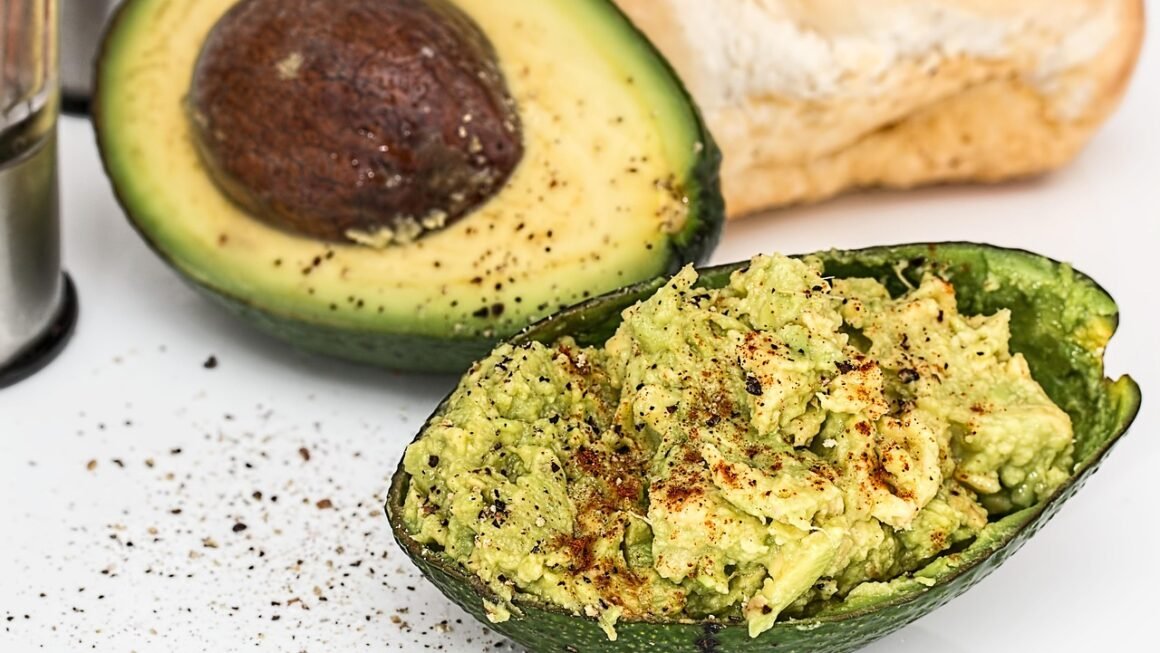
- Load Up on Healthy Fats: Incorporate healthy fats like avocados, nuts, seeds, and olive oil to support hormone production and satiety. Add avocado slices to a salad or snack on a handful of almonds.
- Eat Plenty of Vegetables: Vegetables are packed with vitamins, minerals, and fiber, which are essential for overall health. Make a large salad or roast a variety of vegetables.
- Limit Processed Foods: Avoid processed foods, sugary drinks, and refined carbohydrates, as they can negate the benefits of fasting and lead to cravings.
What to Drink During Your Fasting Window
Staying hydrated is essential during the fasting period. Opt for calorie-free beverages to avoid breaking your fast.
- Water: Drink plenty of water throughout the day to stay hydrated and help curb hunger.
- Black Coffee: Black coffee is allowed and can help boost energy levels and suppress appetite. However, be mindful of caffeine sensitivity.
- Unsweetened Tea: Herbal teas and green tea are also good options.
- Avoid Sweeteners: Artificial sweeteners can trigger insulin responses, so it’s best to avoid them.
Potential Challenges and How to Overcome Them
Hunger and Cravings
One of the biggest challenges of 20:4 fasting is managing hunger and cravings during the extended fasting period.
- Stay Hydrated: Drinking plenty of water can help you feel full and reduce cravings.
- Distract Yourself: Engage in activities that take your mind off food, such as reading, exercising, or spending time with loved ones.
- Plan Your Meals: Having a clear plan for your eating window can help you avoid impulsive eating and cravings.
- Listen to Your Body: If you experience severe hunger or discomfort, it’s okay to adjust your fasting schedule or break your fast.
Side Effects
Some people may experience side effects when starting 20:4 fasting, such as fatigue, headaches, or irritability.
- Start Slowly: Gradually increase your fasting window to allow your body to adapt. Begin perhaps with 16:8 and work your way up.
- Ensure Adequate Nutrition: Focus on eating nutrient-dense foods during your eating window to prevent deficiencies.
- Get Enough Sleep: Prioritize sleep to help regulate hormones and reduce stress.
- Consult a Healthcare Professional: If you experience severe or persistent side effects, consult a doctor or registered dietitian.
Social Challenges
20:4 fasting can be challenging in social situations, especially when eating out or attending events.
- Plan Ahead: Check the menu in advance and choose options that fit your dietary needs.
- Communicate Your Needs: Let your friends and family know about your fasting schedule so they can support you.
- Bring Your Own Food: If necessary, bring your own healthy snacks or meals to social events.
- Focus on Socializing: Remember that the main purpose of social events is to connect with others, not just to eat.
Is 20:4 Fasting Right for You?
Who Should Consider 20:4 Fasting?
20:4 fasting may be a good option for people who are looking to lose weight, improve their insulin sensitivity, or enhance their cognitive function. It’s also suitable for individuals who are comfortable with a more restrictive eating pattern.
- People with Weight Loss Goals: The calorie restriction associated with 20:4 fasting can lead to significant weight loss.
- Individuals with Insulin Resistance: Fasting can help improve insulin sensitivity and reduce the risk of type 2 diabetes.
- Those Seeking Cognitive Benefits: Some studies suggest that intermittent fasting can improve brain function and protect against neurodegenerative diseases.
- Disciplined Individuals: This method requires discipline and commitment.
Who Should Avoid 20:4 Fasting?
20:4 fasting is not suitable for everyone. Certain groups should avoid this eating pattern due to potential health risks.
- Pregnant or Breastfeeding Women: Calorie restriction can be harmful to the developing fetus or infant.
- People with Eating Disorders: Fasting can exacerbate eating disorder symptoms.
- Individuals with Certain Medical Conditions: People with diabetes, kidney disease, or other medical conditions should consult a doctor before trying 20:4 fasting.
- Athletes: While some athletes may use IF successfully, the caloric restriction of 20:4 is generally not recommended for athletes.
- People with low BMI: This can lead to malnutrition
Consulting a Healthcare Professional
Before starting any new diet or lifestyle change, it’s essential to consult a healthcare professional. A doctor or registered dietitian can help you determine if 20:4 fasting is safe and appropriate for you, considering your individual health history and needs.
Conclusion
20:4 fasting is a powerful intermittent fasting method that can offer a range of health benefits, including weight loss, improved insulin sensitivity, and enhanced brain function. However, it’s not suitable for everyone and requires careful planning and execution. By understanding the principles of 20:4 fasting, addressing potential challenges, and consulting a healthcare professional, you can determine if this eating pattern is right for you and safely incorporate it into your lifestyle. Always prioritize your health and well-being, and listen to your body’s signals throughout the process.