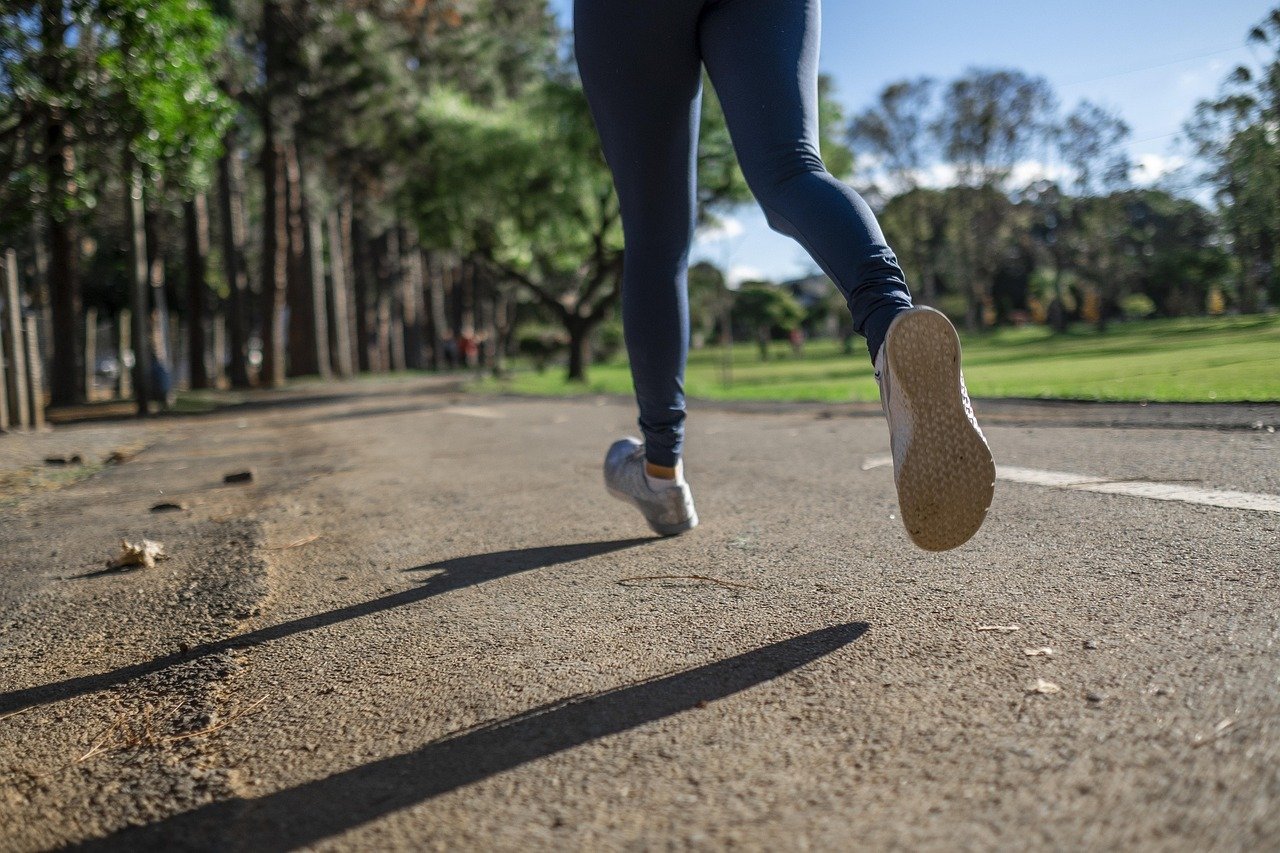
Embarking on a fitness journey can feel daunting. But what if you could transform your health goals into an exciting and achievable challenge? Fitness challenges offer a structured and motivating way to reach your desired fitness level, build healthy habits, and discover your inner strength. Whether you’re aiming to lose weight, gain muscle, improve endurance, or simply boost your overall well-being, a well-designed fitness challenge can be the perfect catalyst for lasting change.
Understanding the Power of Fitness Challenges
Fitness challenges are more than just temporary bursts of activity; they’re strategic pathways to long-term health and fitness. They provide structure, accountability, and a sense of community that can be transformative.
What Defines a Fitness Challenge?
A fitness challenge is a structured program with specific goals, a set timeframe (typically 30, 60, or 90 days), and measurable metrics to track progress. It often involves a combination of workouts, nutritional guidelines, and support systems.
- Clear Goals: Challenges always start with a specific objective, like losing 10 pounds, running a 5k, or increasing strength.
- Defined Timeframe: The set duration creates a sense of urgency and encourages consistent effort.
- Measurable Metrics: Tracking progress (weight, reps, time, etc.) keeps you motivated and accountable.
- Structured Program: A well-designed challenge provides a clear roadmap with daily or weekly activities.
Benefits of Participating in a Fitness Challenge
Joining a fitness challenge offers a wealth of advantages that extend beyond just physical improvements.
- Increased Motivation: The structured format and supportive community fuel motivation.
- Improved Accountability: Tracking progress and sharing results keeps you on track.
- Habit Formation: Consistent effort over the challenge period helps build sustainable healthy habits.
- Enhanced Fitness Levels: Targeted workouts lead to improvements in strength, endurance, and overall fitness.
- Weight Management: Challenges often incorporate nutritional guidance, aiding in weight loss or maintenance.
- Stress Reduction: Exercise is a proven stress reliever, and challenges encourage regular physical activity.
- Community Support: Many challenges foster a sense of camaraderie, providing encouragement and shared experiences. According to a study published in the Journal of Sport & Exercise Psychology, individuals who exercise with a group tend to adhere to their fitness routines longer than those who exercise alone.
Designing Your Own Fitness Challenge
Creating your own fitness challenge allows you to tailor it to your specific needs and goals. This personalized approach increases the likelihood of success and long-term adherence.
Defining Your Goals and Objectives
Before diving in, clearly define what you hope to achieve. Be specific and measurable to track your progress effectively.
- Example: Instead of “get healthier,” aim for “lose 10 pounds in 60 days.”
- Example: Instead of “get stronger,” aim for “increase bench press by 20 pounds in 90 days.”
- Key Questions to Ask Yourself:
What is my primary fitness goal (weight loss, muscle gain, improved endurance)?
What specific metrics will I use to track my progress (weight, reps, time, measurements)?
What is a realistic timeframe for achieving my goal?
Structuring Your Workout Plan
Develop a workout plan that aligns with your goals and fitness level. Include a variety of exercises to target different muscle groups and prevent boredom.
- Frequency: Aim for at least 3-5 workouts per week.
- Variety: Incorporate cardio, strength training, and flexibility exercises.
- Progression: Gradually increase the intensity and duration of your workouts as you get stronger.
- Example Weekly Schedule:
Monday: Strength Training (Upper Body)
Tuesday: Cardio (Running or Cycling)
Wednesday: Rest or Active Recovery (Yoga or Stretching)
Thursday: Strength Training (Lower Body)
Friday: Cardio (Swimming or HIIT)
Saturday: Active Recovery or Rest
Sunday: Long Walk or Outdoor Activity
Incorporating Nutritional Guidelines
Nutrition plays a crucial role in achieving your fitness goals. Develop a meal plan that supports your workouts and promotes overall health.
- Focus on Whole Foods: Prioritize fruits, vegetables, lean protein, and whole grains.
- Stay Hydrated: Drink plenty of water throughout the day.
- Limit Processed Foods: Avoid sugary drinks, fast food, and excessive amounts of unhealthy fats.
- Macronutrient Balance: Aim for a balanced intake of protein, carbohydrates, and fats based on your individual needs and goals. Consider consulting a registered dietitian for personalized recommendations. A study published in the Journal of the American College of Nutrition found that individuals who combined exercise with a healthy diet experienced greater weight loss and improvements in overall health compared to those who only exercised.
Tracking Your Progress
Regularly monitor your progress to stay motivated and make adjustments as needed.
- Weight and Measurements: Track your weight and body measurements weekly or bi-weekly.
- Workout Logs: Record your workouts, including exercises, sets, reps, and weight lifted.
- Progress Photos: Take photos to visually track your transformation.
- Use Fitness Apps: Utilize apps like MyFitnessPal, Strava, or Fitbit to track your activity levels and calorie intake.
Popular Fitness Challenge Ideas
Looking for inspiration? Here are a few popular fitness challenge ideas that you can adapt to your own needs.
30-Day Ab Challenge
Focus on strengthening your core with a variety of abdominal exercises.
- Exercises: Crunches, planks, leg raises, Russian twists.
- Progression: Gradually increase the number of reps and sets each week.
- Example: Start with 3 sets of 15 crunches and increase to 3 sets of 25 by the end of the challenge.
75 Hard Challenge (Considerations)
A mental toughness challenge that focuses on discipline and consistency. Note: This challenge is very demanding and may not be suitable for everyone. Consult with a healthcare professional before attempting this challenge.
- Requirements: Two 45-minute workouts (one outdoors), follow a diet, no alcohol, read 10 pages of a non-fiction book, drink 1 gallon of water, take a progress picture.
- Focus: Building mental resilience through strict adherence to rules.
- Important Note: Many professionals advise caution with the 75 Hard challenge due to its rigidity. Adapt it to your individual needs and prioritize your health.
Running Challenge
Increase your running mileage or improve your running time.
- Goals: Run a 5k, 10k, half marathon, or marathon.
- Training Plan: Follow a structured training plan that gradually increases your mileage.
- Example: Use a Couch to 5k program if you’re a beginner.
Strength Training Challenge
Focus on increasing your strength and building muscle.
- Exercises: Squats, deadlifts, bench press, overhead press, rows.
- Progression: Gradually increase the weight you lift each week.
- Focus: Compound exercises that target multiple muscle groups.
Staying Motivated Throughout Your Challenge
Maintaining motivation is key to completing your fitness challenge successfully. Here are a few tips to help you stay on track.
Find an Accountability Partner
Having someone to share your journey with can provide support and encouragement.
- Benefits: Regular check-ins, shared workouts, and mutual motivation.
- Tip: Choose someone who shares similar fitness goals and values.
Reward Yourself (Healthily)
Celebrate your milestones with non-food rewards.
- Examples: A new workout outfit, a massage, or a relaxing activity.
- Focus: Reinforce positive behaviors without sabotaging your progress.
Track Your Progress Visually
Seeing your progress can be a powerful motivator.
- Methods: Progress photos, charts, or graphs.
- Tip: Post your progress on social media to share your journey and inspire others.
Join a Community
Connecting with others who are also pursuing fitness goals can provide a sense of belonging and support.
- Options: Online forums, social media groups, or local fitness classes.
- Benefits: Shared experiences, tips, and encouragement. A 2016 study in Obesity showed that participants in a weight loss program who engaged in a community-based intervention experienced greater weight loss and improved health outcomes compared to those who did not.
Conclusion
Fitness challenges offer a fantastic way to kickstart your fitness journey, build healthy habits, and achieve your goals. By understanding the benefits, designing a personalized plan, and staying motivated, you can transform your health and well-being. Remember to listen to your body, prioritize your health, and enjoy the process of becoming a stronger, healthier version of yourself. So, what are you waiting for? Start your fitness challenge today!